






What's Happening?
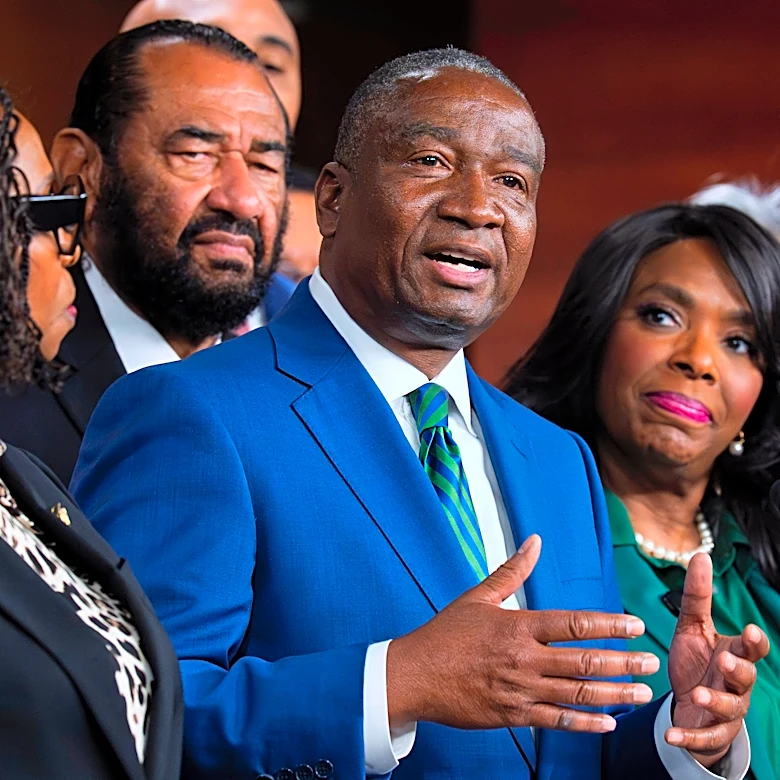
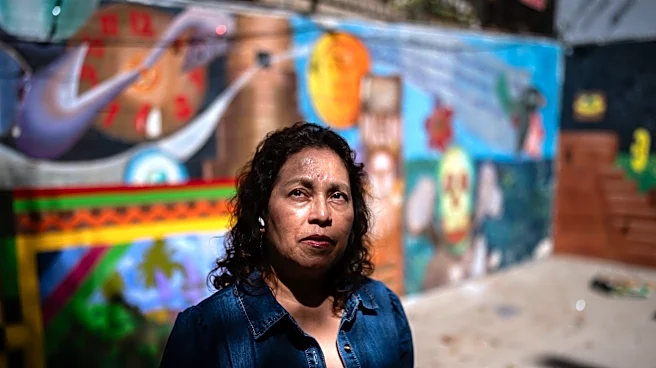
Rep. Analilia Mejia, D-N.J., has introduced the Living Wage for All Act, a bill aimed at raising the federal minimum wage to $25 per hour and eliminating subminimum wages. This legislative move comes shortly after Mejia's victory in a special election
for a New Jersey House seat. The bill is supported by a coalition of over 100 organizations, including major teachers' unions and civil rights groups. The initiative is part of a broader national movement advocating for higher wages, with similar proposals being considered in cities like Los Angeles and New York City. The coalition, which includes the National Association for the Advancement of Colored People (NAACP) and the American Federation of Teachers (AFT), aims to ensure a living wage for all workers in America.
Why It's Important?
The introduction of the Living Wage for All Act signifies a significant push towards addressing wage disparities in the United States. If passed, the bill could have a profound impact on millions of workers, particularly those in low-income jobs. The proposed increase to a $25 minimum wage reflects growing demands for economic justice and could set a precedent for other states and cities. This movement is gaining traction as more local governments consider similar measures, highlighting a shift in public policy towards prioritizing workers' rights and economic equity. The bill's success could influence national economic policies and labor standards, potentially reducing poverty and improving living conditions for many Americans.
What's Next?
The bill will likely face debates and discussions in Congress, where it may encounter opposition from those concerned about the economic impact on businesses, particularly small enterprises. Proponents of the bill will need to build a strong case to garner sufficient support for its passage. Meanwhile, cities like Los Angeles and New York City are already moving forward with their own wage increase plans, which could serve as models for the federal initiative. The outcome of these local efforts may influence the national conversation and legislative process regarding minimum wage laws.