

What's Happening?
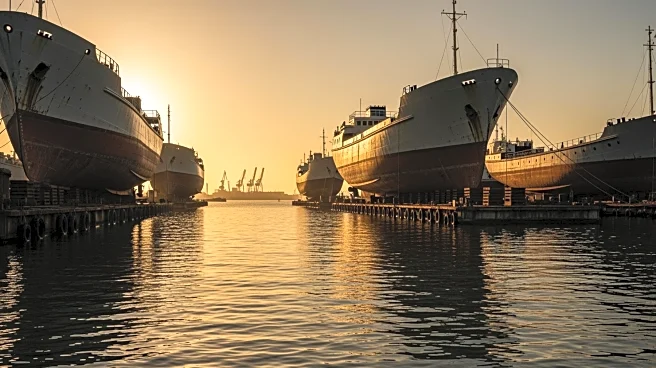
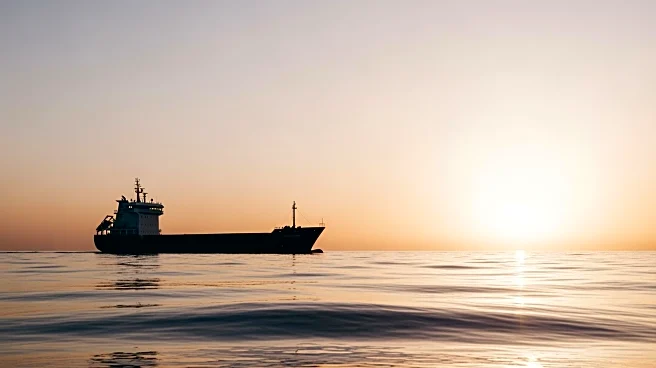
Iran has implemented a blockade on the Strait of Hormuz, a critical maritime passage through which approximately 20% of the world's oil supply is transported. This blockade has led to increased global oil and gas prices. However, Iran is permitting ships
from certain countries it deems friendly, such as China, India, Pakistan, Malaysia, and Iraq, to pass through the strait under specific conditions. This development comes as Iranian lawmakers are considering new regulations for transit through the strait, including the potential imposition of a transit fee. Iraq's oil minister, Hayan Abdul Ghani al-Sawad, has indicated that Iraq is in discussions with Iran to ensure the passage of Iraqi oil tankers. Similarly, India's foreign minister, Subrahmanyam Jaishankar, has noted that direct negotiations with Iran have allowed two Indian gas tankers to transit the strait, with further talks ongoing. Additionally, Iranian Foreign Minister Abbas Araghchi has expressed readiness to assist Japanese vessels, which are crucial for Japan's oil imports.
Why It's Important?
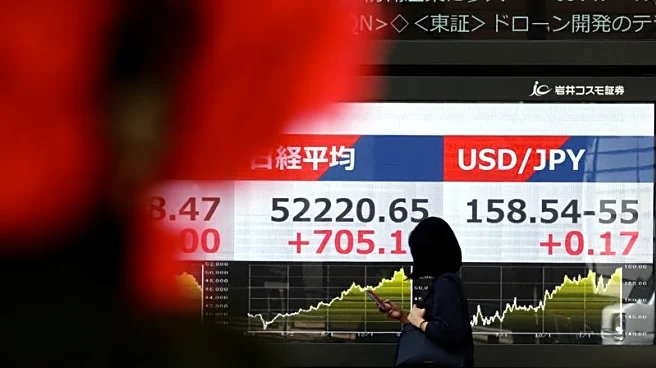
The blockade of the Strait of Hormuz by Iran has significant implications for global energy markets, as it affects the transportation of a substantial portion of the world's oil supply. The selective allowance of ships from certain countries to pass through the strait underlines Iran's strategic use of its geopolitical position to influence international relations and economic conditions. This situation could lead to shifts in global oil prices and impact countries heavily reliant on oil imports, such as Japan. The potential introduction of a transit fee by Iran could further complicate international trade dynamics and increase costs for countries dependent on oil shipments through this route. The ongoing negotiations between Iran and affected countries highlight the complex interplay of diplomacy and economic interests in the region.
What's Next?
As Iran continues to negotiate with various countries regarding the passage of ships through the Strait of Hormuz, the international community will be closely monitoring the situation. The potential imposition of a transit fee could prompt responses from global oil markets and possibly lead to diplomatic efforts to mitigate the economic impact. Countries reliant on oil imports through the strait may seek alternative routes or suppliers to ensure energy security. Additionally, the situation may influence broader geopolitical relations in the Middle East, as countries navigate the challenges posed by Iran's strategic control over this critical maritime passage.