



What's Happening?
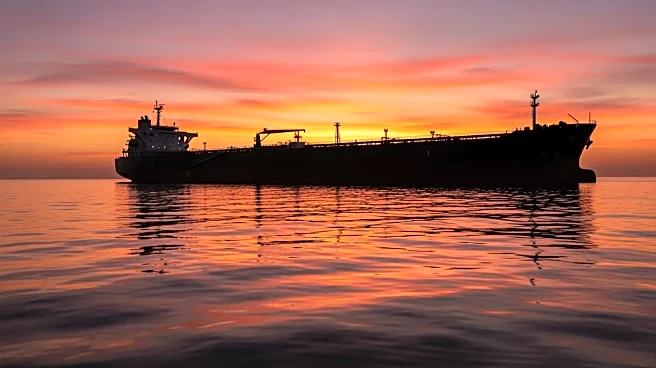
An oil tanker, which has been transporting Venezuelan fuel to Cuba since April of the previous year, recently completed loading a 150,000-barrel cargo of gasoline. This development, as reported by a shipping schedule seen by Reuters, suggests that Venezuela might
be preparing to send these supplies to Cuba. The tanker was last tracked in Venezuelan waters on Monday, according to TankerTrackers.com, but its final destination remains unconfirmed. The movement of any tanker from Venezuelan waters currently requires U.S. approval due to the ongoing U.S. military presence in the Caribbean. Meanwhile, Cuba's President Miguel Diaz Canel addressed the nation's energy challenges from Havana, highlighting the growing lines for gasoline and diesel at fuel stations.
Why It's Important?
This situation underscores the complex geopolitical dynamics involving the U.S., Venezuela, and Cuba. The U.S. maintains a significant military presence in the Caribbean, influencing the movement of oil tankers in the region. The potential delivery of Venezuelan gasoline to Cuba could impact the energy situation on the island, where fuel shortages have led to long lines at gas stations. This development also reflects the broader implications of U.S. sanctions on Venezuela and its oil industry, as well as the strategic maneuvers by Venezuela to support its ally, Cuba. The U.S. oversight of tanker movements highlights the ongoing tension and the strategic importance of energy resources in international relations.
What's Next?
The next steps will likely involve monitoring the tanker's movements to determine if it proceeds to Cuba. The U.S. may continue to exercise its oversight in the region, potentially influencing future shipments. The situation could prompt diplomatic discussions or actions from the U.S. regarding its policies on Venezuela and Cuba. Additionally, the energy situation in Cuba may see temporary relief if the gasoline reaches its shores, but long-term solutions will still be needed to address the island's energy shortages.