







What's Happening?
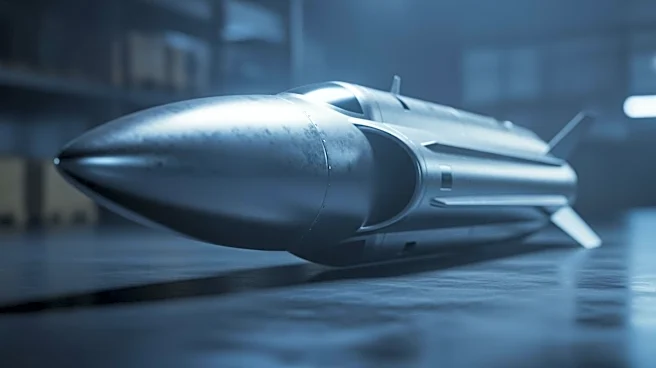
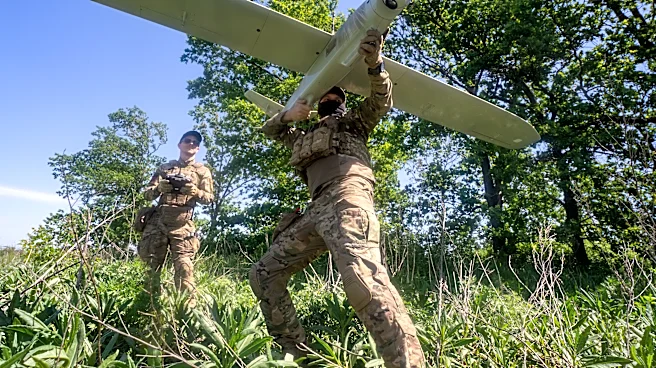
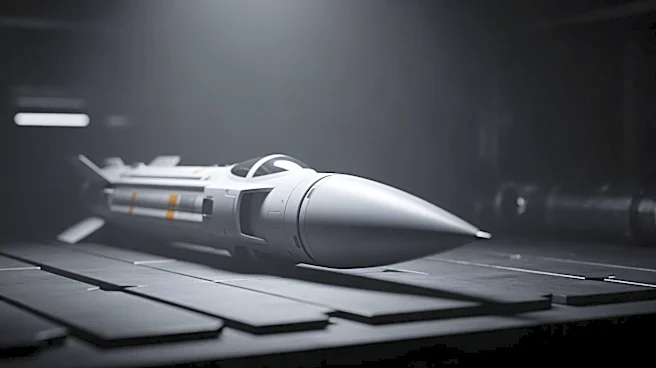
The U.S. military's involvement in the conflict with Iran, known as Operation Epic Fury, has significantly depleted its weapons stockpiles. The operation, which began on February 28, involved extensive use of missiles, drones, and other munitions. According
to the Center for Strategic and International Studies (CSIS), while the U.S. still maintains enough munitions to sustain the conflict, restocking to prewar levels will take years. This delay is attributed to budget approvals, production timelines, and allocations to U.S. allies. Defense Secretary Pete Hegseth highlighted these challenges during a Senate Armed Services Committee hearing, noting that replenishing certain munitions could take months or years. The Trump administration is advocating for a $1.5 trillion defense budget, a 42% increase over current funding, to address these issues.
Why It's Important?
The depletion of U.S. weapons stockpiles has sparked a debate over military funding and strategy. Democrats have expressed concerns about the long-term objectives and costs of the war, while Republicans argue for increased military funding and expanded weapons production. The situation underscores the need for a robust defense budget to ensure the U.S. military can meet its commitments and maintain its global presence. The strain on stockpiles also highlights the challenges of balancing domestic defense needs with international commitments, such as supplying air defense systems to Ukraine amid its conflict with Russia.
What's Next?
Replenishing key munitions like Patriot, THAAD, and Tomahawk missiles is expected to take at least three years. The U.S. Navy has significantly increased its request for Tomahawk missiles in the fiscal year 2027 budget, indicating a strategic shift to address the depletion. The ongoing global demand for these munitions, coupled with existing defense commitments, will continue to impact the timeline for restocking. The Pentagon remains confident in the U.S. military's capabilities, but the situation may prompt further discussions on military funding and production capacity.