






What's Happening?
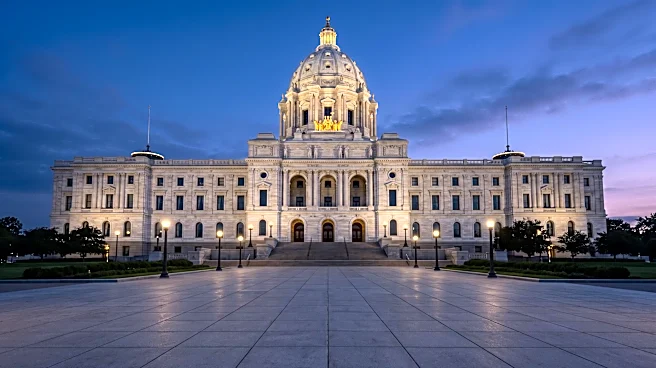
A recent study indicates that Minnesota has improved its ranking as one of the safest states in the United States, moving up to seventh place from eighth last year. This comprehensive safety ranking considers various factors beyond just crime rates. The
assessment includes metrics related to road safety, health status, and other indicators that contribute to the overall well-being and security of residents. The report highlights Minnesota's consistent performance in maintaining a high level of safety across these diverse categories. While the study provides a broad overview of safety, there is a particular focus on Minneapolis, given its status as the most populous city in the state. The discussion around this ranking often prompts residents to reflect on their personal sense of safety within the state, especially in urban centers.
Why It's Important?
This improved safety ranking is important for Minnesota as it can positively influence various aspects of the state's development and reputation. A higher safety ranking can attract new residents and businesses, contributing to economic growth and a stronger workforce. It also enhances the state's appeal for tourism, as visitors are more likely to choose destinations perceived as safe. For current residents, the ranking can foster a greater sense of community well-being and confidence in public services, including law enforcement, healthcare, and infrastructure. The multi-faceted approach to safety, encompassing roads and health, underscores a holistic view of public welfare, suggesting that Minnesota is performing well in providing a secure and healthy environment for its citizens. This positive perception can also influence policy decisions, encouraging continued investment in areas that contribute to safety and quality of life.
What's Next?
While the current ranking is positive, ongoing efforts will likely focus on maintaining and further improving these safety metrics. State and local authorities may analyze the specific factors contributing to Minnesota's high ranking to identify best practices that can be sustained or enhanced. For instance, continued investment in road infrastructure and public health initiatives will be crucial. Discussions may also arise regarding the specific safety perceptions within Minneapolis, prompting local leaders to address any disparities between the city's reality and the broader state ranking. Public engagement and feedback on safety will remain important for policymakers to ensure that the state's efforts align with residents' experiences and concerns. The state will likely continue to monitor these comprehensive safety indicators to ensure sustained progress.
Beyond the Headlines
The concept of 'safety' as measured by such studies extends beyond mere crime statistics, delving into the societal fabric that supports overall well-being. Minnesota's high ranking suggests effective governance, robust public services, and a strong community infrastructure that collectively contribute to a secure environment. This holistic view of safety implies that factors like access to healthcare, well-maintained public spaces, and efficient transportation systems are just as crucial as crime prevention. The focus on Minneapolis within the broader state context also highlights the ongoing challenge of ensuring equitable safety across urban and rural areas. This ranking can serve as a benchmark for other states, encouraging a more comprehensive approach to assessing and improving public safety, moving beyond traditional crime-centric views to encompass a wider range of social and environmental determinants of security.