





What's Happening?
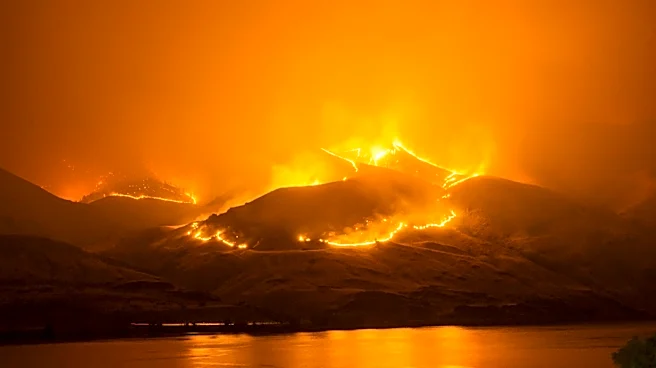
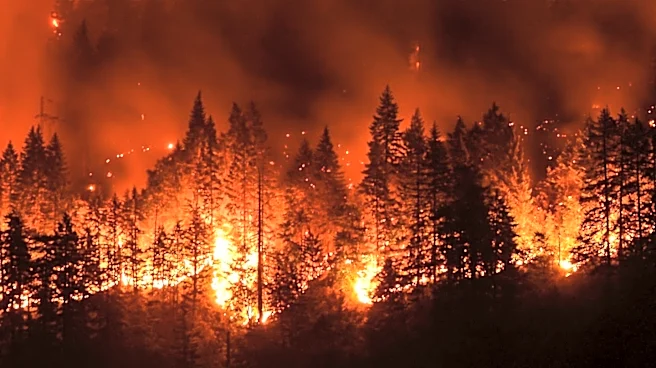
Firefighters in Central Oregon are continuing their extensive efforts to manage and contain the Henry, Coyote, and Shingle Fires, reporting significant progress on containment despite recent challenging weather conditions characterized by high winds and lower
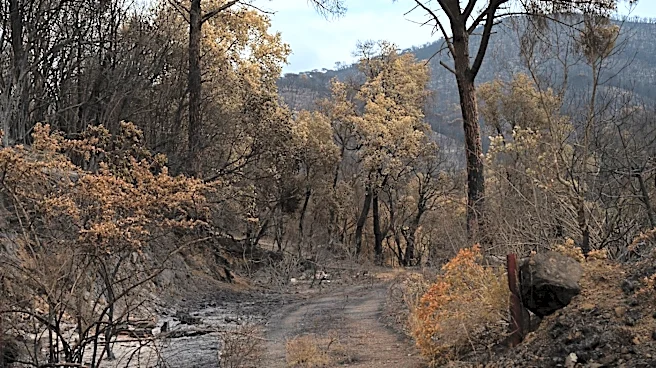
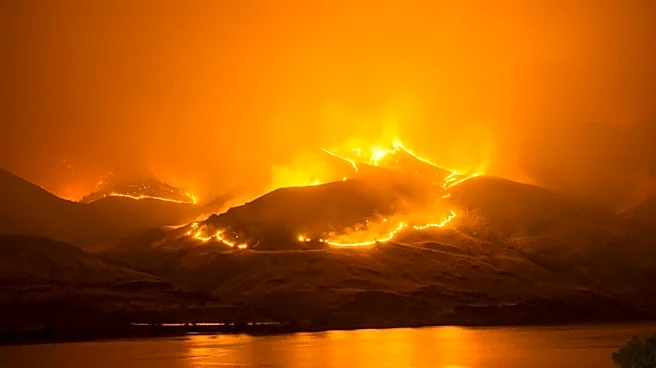
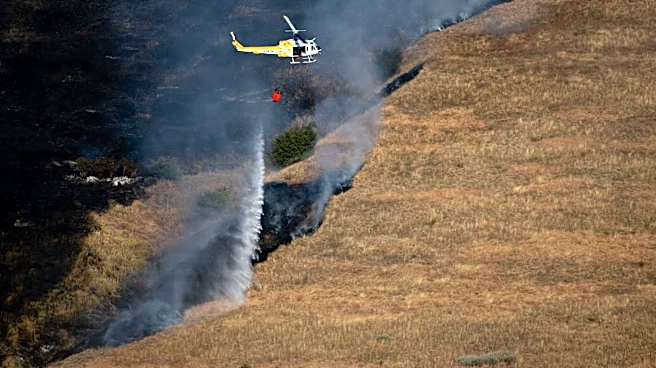
humidity. The Shingle Fire, which has consumed a vast area of 73,179 acres and is currently 89% contained, successfully withstood adverse weather, with its established containment lines holding firm. Consequently, its northern edge has been transitioned to a patrol status, indicating a reduced threat in that area. Ground crews are actively engaged in fortifying the southern containment lines and meticulously mopping up any remaining heat sources to prevent rekindling. Specialized felling crews are also on site, systematically removing hazard trees that could pose future containment challenges or safety risks. Aircraft will maintain patrols over the eastern perimeter, where dangerous terrain and limited ground access make firefighting particularly difficult. Highway 26, a critical transportation artery that was previously closed, has now been reopened, though authorities advise motorists to exercise extreme caution due to the ongoing presence of firefighters and equipment along the roadway. The Coyote Fire, spanning 17,459 acres and 88% contained, sees crews primarily focusing their efforts on its northern edge, which continues to exhibit signs of heat, and addressing hazard trees. Its southern edge has been moved into patrol status, reflecting successful tactical objectives. The Henry Fire, at 29,850 acres and 97% contained, remains stable with no projected growth, indicating a high level of control. Smoke from these and other surrounding fires continues to significantly affect air quality and visibility across the region, posing health concerns for residents.
Why It's Important?
The ongoing and complex efforts to contain the Henry, Coyote, and Shingle Fires underscore the persistent and escalating challenge of wildfires in the Western United States, particularly in regions inherently prone to prolonged dry conditions and high winds. The successful holding of containment lines, even in the face of adverse weather, highlights the remarkable effectiveness of current firefighting strategies, the advanced planning involved, and the unwavering dedication and expertise of the personnel deployed. The reopening of Highway 26 is a crucial development, signifying a vital step towards restoring normalcy for local commerce, facilitating resident mobility, and supporting regional economic activity. However, the continued presence of smoke, necessitating public health advisories, and the extensive need for ongoing mop-up operations emphasize that even highly contained fires still pose significant environmental and public health concerns, extending beyond the immediate threat of flames. These large-scale incidents also draw critical attention to the immense resources, including specialized ground crews, felling crews, and extensive aerial support, that are consistently required to manage such widespread wildfires, placing substantial demands on state and federal budgets and highlighting the economic burden of these natural disasters.
What's Next?
Firefighting efforts will continue with a concentrated focus on fortifying existing containment lines, meticulously mopping up any lingering hot spots, and systematically removing hazard trees, particularly along the southern edge of the Shingle Fire and the northern edge of the Coyote Fire. Aerial assets will maintain vigilant patrols over difficult-to-access areas to monitor for new ignitions or fire behavior. Authorities will proceed with their ongoing assessment and modification of fire closure areas within the Ochoco National Forest and the Bureau of Land Management Prineville District. These restrictions will be gradually lifted as safety concerns for both firefighters and forest visitors are alleviated, allowing for a phased return to recreational and commercial activities. The Level 1 Evacuation ("Get Ready") for the Shingle Fire in Wheeler County remains in effect and will be continuously re-evaluated based on fire behavior and containment progress. Encouragingly, weather forecasts predict an increase in cloud cover and a return to more seasonal temperatures, which are expected to significantly aid firefighting efforts by moderating daytime heat, increasing humidity levels, and potentially reducing fire intensity, offering a much-needed respite for crews on the ground.
Beyond the Headlines
The persistent and large-scale wildfire activity in Central Oregon, even with high containment levels, points to profound and long-term ecological, economic, and social impacts that extend far beyond the immediate fire season. The extensive acreage consumed by these fires will inevitably lead to significant and lasting changes in local ecosystems, profoundly affecting wildlife habitats, altering water quality, and compromising soil stability for many years to come. The ongoing necessity for felling hazard trees and continuous monitoring also highlights the complex and resource-intensive challenges of post-fire landscape management and restoration. Economically, these fires disrupt vital sectors such as tourism, timber industries, and local businesses, with recovery efforts often spanning years even after full containment. Furthermore, the continuous smoke impacts underscore the broader public health implications of wildfires, affecting air quality across vast regions and necessitating prolonged public health advisories and respiratory care. These recurring events reinforce the urgent and critical need for comprehensive proactive forest management strategies, robust climate change mitigation efforts, and enhanced community preparedness to adapt to an era of increasing wildfire frequency, intensity, and duration, demanding a multi-faceted approach to environmental stewardship and public safety.