




What's Happening?
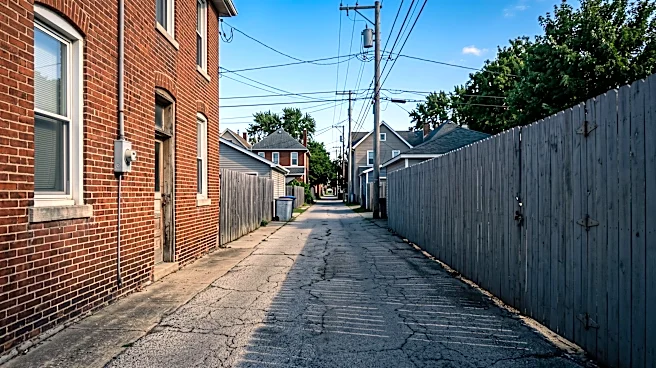
A Fort Wayne resident, Lanny Bender, has voiced concerns regarding a local nonprofit, project.ME, specializing in substance abuse support, due to alleged public nuisances near his home. Bender claims his security cameras captured a man defecating in an alley
near his backyard, an incident he described as unacceptable, especially with children present. He believes the individual was in the neighborhood due to the proximity of project.ME, which assists people struggling with substance abuse, including those experiencing homelessness. Bender reports an increase in issues such as used needles, crack pipes, and individuals sleeping in public spaces since the nonprofit moved into the area three years ago. Other neighbors reportedly share his safety concerns.
Why It's Important?
This situation highlights the complex challenges faced by communities when social service organizations, particularly those addressing sensitive issues like substance abuse and homelessness, are located in residential areas. While project.ME aims to provide crucial support to vulnerable populations, the reported incidents raise significant quality-of-life and safety concerns for nearby residents. The tension between providing necessary services and maintaining neighborhood peace and safety is a common dilemma in urban planning. For the residents, the perceived increase in public nuisances can lead to feelings of insecurity and a decline in neighborhood appeal. For the nonprofit, such complaints can hinder its mission and community relations, potentially impacting its ability to operate effectively and gain public trust.
What's Next?
Project.ME has stated that it chose its current location due to accessibility and because the individuals it serves are already part of the neighborhood. In response to recent complaints, the nonprofit has increased police presence in the area. This suggests an ongoing effort to address the concerns raised by residents. Further steps might involve continued dialogue between the nonprofit, local residents, and city officials to find mutually agreeable solutions. This could include enhanced security measures, community outreach programs, or exploring alternative operational strategies to mitigate negative impacts on the neighborhood while still fulfilling the nonprofit's mission. The situation may also prompt broader discussions within Fort Wayne about zoning regulations and the placement of social service facilities.
Beyond the Headlines
This incident delves into the broader societal challenge of integrating support services for marginalized populations within existing communities. It underscores the need for comprehensive strategies that not only provide essential aid to those in need but also address the concerns of surrounding residents. The ethical dimension involves balancing the rights and needs of vulnerable individuals with the right of residents to feel safe and secure in their homes. Culturally, it reflects differing perspectives on public space and acceptable behavior, often exacerbated by socioeconomic disparities. Long-term solutions require more than just increased police presence; they necessitate community-wide conversations, educational initiatives, and potentially innovative urban planning that considers the social and environmental impacts of such facilities on all stakeholders.