




What's Happening?
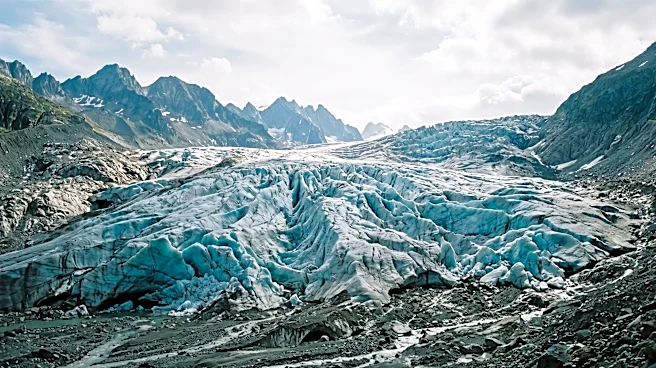
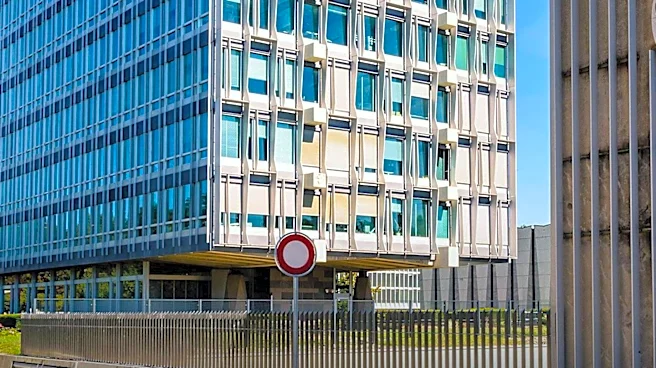
The World Health Organization (WHO) is highlighting the essential role of safe and accessible water for drinking, food preparation, and hygiene, including in healthcare facilities. This emphasis comes as glaciers are retreating, impacting water availability,
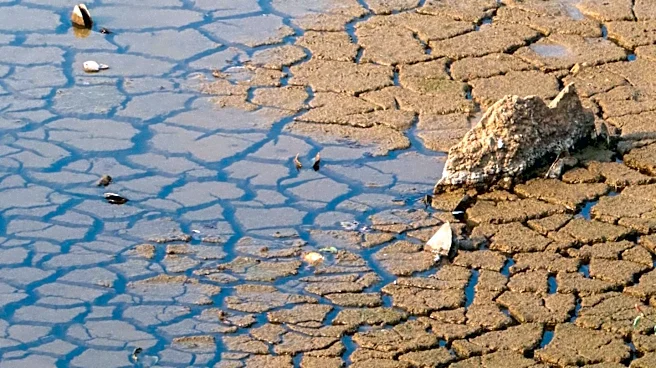
particularly during summer months. The delta regions are significantly affected by conditions throughout entire river basins, with snow, ice, rainfall, groundwater, reservoirs, and upstream withdrawals all playing crucial roles. Monitoring snow accumulations is especially important for basin authorities due to increased summer water demands. The drought of 2022 demonstrated severe consequences, such as seawater intrusion up to 40 kilometers into the Po di Goro branch in the Po delta, affecting drinking water sources and ecosystems. This phenomenon, known as the saline wedge, occurs when freshwater flow weakens, allowing saltwater to advance inland. Studies in the Italian Alps, specifically in the Dora Baltea and Adda basins during the 2022 and 2023 snow droughts, revealed that ice contribution to river flow nearly tripled compared to previous years, starting about six weeks earlier than usual. Despite this, overall flows remained below average, indicating that glacial melt only partially compensated for the scarcity of snow and precipitation.
Why It's Important?
The WHO's focus on water safety and accessibility underscores a growing global concern that has significant implications for public health and environmental stability. The retreat of glaciers, a direct consequence of climate change, threatens long-term water security, particularly in regions reliant on glacial melt for summer water supplies. The 2022 drought in the Po delta illustrates the severe economic and environmental costs of water scarcity, including compromised drinking water quality and ecosystem damage due to saline intrusion. Such events can lead to increased healthcare burdens, food insecurity, and economic disruption in affected areas. For the U.S., while the immediate examples are European, the underlying issues of climate change impacting water resources are highly relevant. Many U.S. regions, particularly in the West, depend on snowpack and glacial melt for water, making them vulnerable to similar challenges. The need for robust water management strategies and infrastructure becomes paramount to mitigate these risks, ensuring public health and economic stability in the face of changing climate patterns.
What's Next?
Addressing the challenges posed by glacier retreat and increased drought frequency will require comprehensive and coordinated efforts. Basin authorities will likely intensify monitoring of snow accumulation and glacial melt to better predict water availability and manage resources. Investments in water infrastructure, such as desalination plants, improved reservoir management, and water recycling technologies, may become more critical to secure potable water supplies. Furthermore, public health initiatives will need to adapt to ensure access to safe water, especially in vulnerable communities and healthcare settings. International cooperation and policy development will also be essential to share best practices and develop global strategies for climate change adaptation related to water resources. Research into climate-resilient agricultural practices and ecosystem restoration will also be crucial to mitigate the broader environmental and economic impacts of water scarcity.
Beyond the Headlines
The issue of retreating glaciers and water scarcity extends beyond immediate environmental and health concerns, touching upon profound ethical and geopolitical dimensions. The disproportionate impact on vulnerable populations raises questions of environmental justice, as those with fewer resources often bear the brunt of climate change effects. The potential for water-related conflicts could increase as nations and regions compete for dwindling resources, necessitating new frameworks for water governance and international cooperation. Culturally, water holds deep significance in many societies, and its scarcity can disrupt traditional ways of life and spiritual practices. The long-term shifts triggered by these developments could redefine human settlements, agricultural practices, and global migration patterns. This situation also highlights the urgent need for a paradigm shift towards sustainable consumption and production, recognizing water as a finite and invaluable resource that underpins all life and economic activity.