






What's Happening?
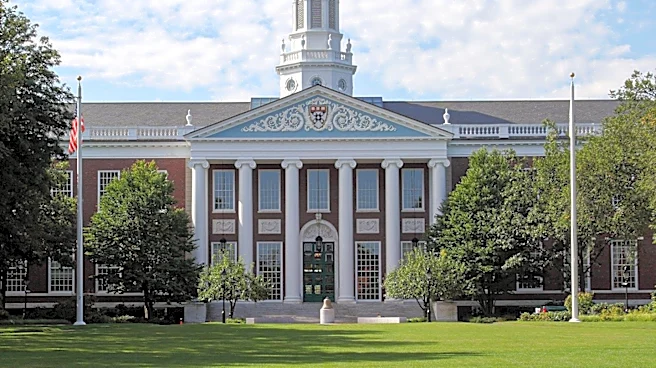
UltraViolet, a national women-led gender-justice organization, has launched a series of petitions demanding accountability for Larry Summers. This action follows Summers' departure from his roles at Harvard University and OpenAI, which UltraViolet attributes
to significant public pressure, including from its community members. The organization has a history of advocating for accountability against powerful individuals accused of misconduct, citing previous successes against figures like R. Kelly and Bill O'Reilly. UltraViolet's efforts extend to those who allegedly enabled networks of abuse, such as Jeffrey Epstein and Ghislaine Maxwell, and their associates like Alan Dershowitz and Deepak Chopra. The group recently celebrated the resignation of Dr. Peter Attia from CBS due to his ties to Jeffrey Epstein, viewing it as a victory for survivors and accountability. UltraViolet emphasizes its commitment to fighting systems that protect abusers across various sectors.
Why It's Important?
This development highlights the increasing influence of gender-justice organizations like UltraViolet in holding prominent figures accountable, even years after initial controversies. The pressure leading to Larry Summers' departure from significant academic and tech roles underscores a shifting landscape where past actions and associations can have lasting professional consequences. For U.S. institutions, particularly in academia and technology, it signals a heightened expectation for ethical conduct and transparency from their leadership. The focus on 'enablers' of abuse networks, such as those connected to Jeffrey Epstein, indicates a broader societal demand for accountability beyond the primary perpetrators. This movement can impact corporate governance, university leadership selection, and public perception of individuals in positions of power, potentially leading to more rigorous vetting processes and a greater emphasis on ethical leadership across various sectors.
What's Next?
UltraViolet is expected to continue its campaigns for accountability, targeting other individuals and institutions it identifies as enabling abuse or failing to uphold ethical standards. The organization's ongoing use of petitions and public pressure suggests a sustained effort to influence public opinion and institutional decisions. For Larry Summers, the calls for accountability may lead to further scrutiny of his past and present affiliations, potentially impacting future professional opportunities or public roles. Other individuals and institutions with alleged ties to controversial figures or past misconduct may face similar campaigns from UltraViolet and other advocacy groups. This trend could prompt a proactive review of ethical guidelines and accountability mechanisms within major U.S. organizations to preempt such public pressure.
Beyond the Headlines
The actions taken by UltraViolet against Larry Summers and others reflect a deeper societal shift towards demanding greater transparency and ethical responsibility from leaders in all fields. This movement extends beyond legal repercussions, aiming to impose social and professional consequences on individuals perceived to have acted unethically or enabled harmful environments. It raises questions about the long-term impact of public opinion and organized advocacy on the careers of powerful individuals, even those with extensive professional achievements. The focus on 'enablers' also broadens the scope of accountability, suggesting that passive complicity or association with misconduct can be as damaging to a public figure's reputation as direct involvement. This trend could lead to a re-evaluation of how institutions manage their public image and the ethical standards they expect from their affiliates.