





What's Happening?
India is undergoing a significant transition from chemical-intensive agriculture to organic farming, a process that can take seven to ten years. This shift is fraught with challenges, including sudden drops in production, increased labor costs, pest attacks,
and uncertain inputs. Despite these hurdles, organic farming is gaining traction globally, with India leading in organic cotton and millets. The country has one of the largest numbers of certified organic farmers, although many small farmers practice organic methods without formal certification. The Participatory Guarantee System (PGS) is widely used for domestic certification, while third-party certification is typically required for exports. The global organic food market has expanded significantly, with organic agriculture now covering nearly 99 million hectares across 180 countries, involving 4.8 million producers.
Why It's Important?
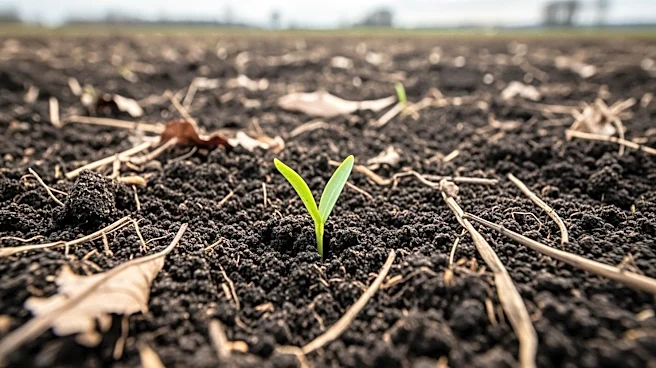
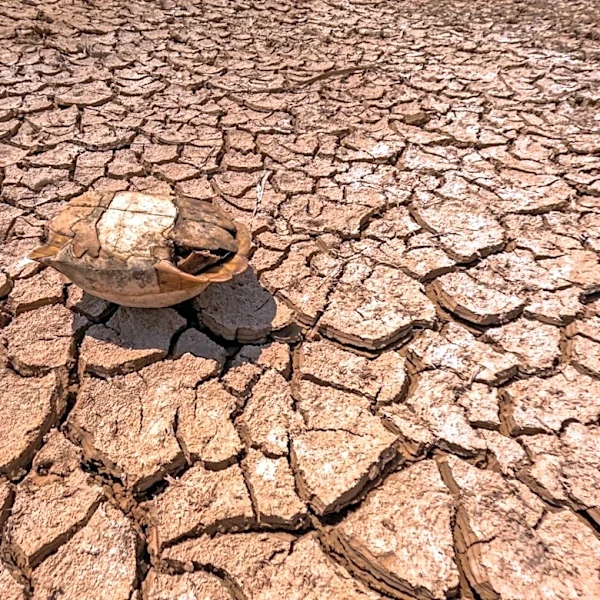
The transition to organic farming in India is crucial for addressing the environmental degradation caused by excessive chemical use in agriculture. This shift is expected to improve soil health, reduce groundwater contamination, and enhance biodiversity. However, the transition poses economic risks for farmers, who may face initial productivity losses and increased costs. The success of this transition could serve as a model for sustainable agriculture globally, potentially influencing agricultural policies and practices in other countries. The growth of the organic market also presents economic opportunities, as demand for organic products continues to rise worldwide.
What's Next?
As India continues its transition to organic farming, the government and agricultural organizations may need to provide more support to farmers, including guidance, resources, and market access. The success of this transition will likely depend on the development of infrastructure and services to support organic farming practices. Additionally, there may be increased efforts to standardize organic certification processes to facilitate both domestic and international trade. The global community will be watching India's progress closely, as it could have significant implications for sustainable agriculture practices worldwide.
Beyond the Headlines
The shift to organic farming in India also raises questions about the role of traditional knowledge and community-based approaches in modern agriculture. Many small farmers in India have been practicing organic methods for generations, often without formal recognition or support. This transition could highlight the value of indigenous agricultural practices and promote a more inclusive approach to agricultural development. Furthermore, the move towards organic farming may encourage a broader societal shift towards sustainability, influencing consumer behavior and policy decisions beyond agriculture.