



What's Happening?
A recent global study published in Nature Medicine reveals significant disparities in access to exercise based on socioeconomic status and gender. The research, which synthesizes over a decade of global data, shows that regular physical activity offers
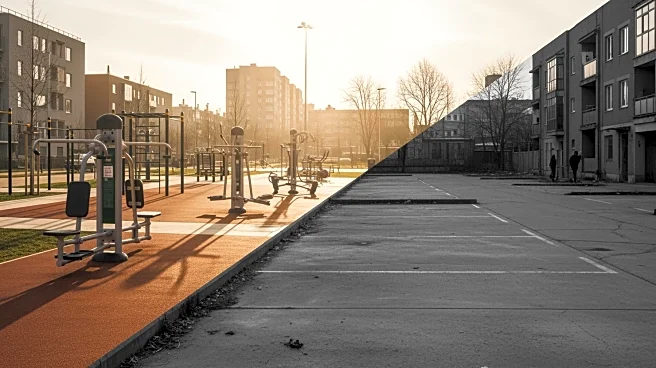
extensive health benefits beyond cardiovascular health, including improved immunity, mental health, and cancer survival rates. However, the study highlights stark inequalities, with wealthier men in high-income countries having significantly more access to leisure-based physical activities compared to poorer women in low-income countries. The study calls for a shift in public health models to focus on 'physical activity security,' ensuring equitable access to safe and enjoyable exercise opportunities.
Why It's Important?
The findings underscore the critical role of socioeconomic and gender factors in determining access to physical activity, which has broad implications for public health policy. By highlighting the health benefits of regular exercise, the study suggests that addressing these disparities could lead to improved health outcomes across various populations. The research advocates for a more inclusive approach to public health initiatives, emphasizing the need for policies that provide equitable access to exercise, which could reduce the burden of diseases such as depression, certain cancers, and infectious diseases. This shift could lead to significant improvements in public health and reduce healthcare costs associated with inactivity-related diseases.
What's Next?
The study's authors propose a reconceptualized public health model that prioritizes 'physical activity security,' focusing on creating safe, voluntary, and equitable opportunities for exercise. This approach aims to address the current disparities and promote a more inclusive environment for physical activity. Policymakers and public health officials may need to consider these findings when designing future health initiatives, potentially leading to increased investment in infrastructure and programs that facilitate access to exercise for all socioeconomic groups. The study also suggests that further research is needed to explore the specific barriers to exercise faced by disadvantaged groups and develop targeted interventions.