



What's Happening?
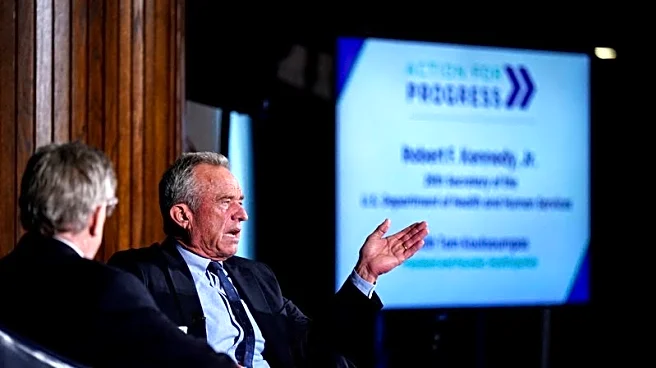
Health and Human Services Secretary Robert F. Kennedy Jr. is under scrutiny for not fulfilling several promises made during his confirmation process. Despite assurances to U.S. senators that he would support childhood vaccines and maintain existing vaccine recommendations,
Kennedy has taken actions that contradict these commitments. He narrowly secured his position after promising to uphold vaccine funding and recommendations. However, after his confirmation, Kennedy dismissed all members of the vaccine advisory panel and appointed new members who share his skepticism towards certain vaccines. This led to significant changes in the CDC's vaccine recommendations, now advising certain vaccines only for high-risk children or after doctor consultation. Additionally, Kennedy's department retracted $11 billion in COVID-era grants for vaccination programs, despite his pledge not to undermine vaccine funding.
Why It's Important?
The actions of Secretary Kennedy have significant implications for public health policy and vaccine accessibility in the U.S. By altering the CDC's vaccine recommendations and reducing funding for vaccination programs, there is a potential risk of decreased vaccination rates, which could lead to outbreaks of preventable diseases. This shift in policy may also undermine public trust in vaccines, especially given Kennedy's history as an anti-vaccine activist. The controversy surrounding his actions highlights the tension between political promises and public health priorities, raising concerns about the influence of personal beliefs on national health policies.
What's Next?
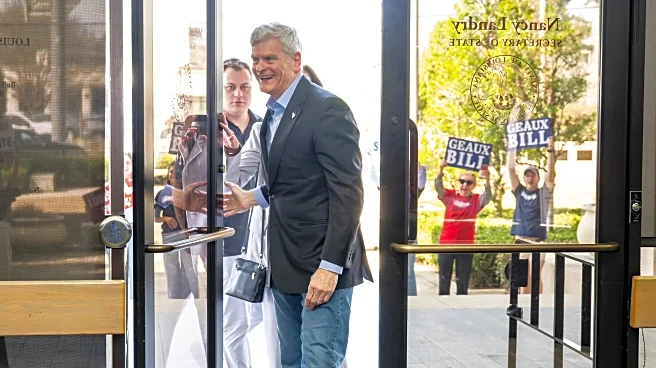
The future of U.S. vaccination policy remains uncertain as stakeholders, including lawmakers and public health officials, may push back against Kennedy's changes. There could be legal challenges or legislative efforts to restore previous vaccine recommendations and funding levels. Public health advocates are likely to continue monitoring the situation closely, advocating for policies that prioritize scientific evidence and public safety. The ongoing dialogue between Kennedy and Senate leaders, such as Bill Cassidy, may also influence future decisions regarding vaccine policies and funding.
Beyond the Headlines
Kennedy's actions may have broader implications for the role of scientific evidence in shaping public health policy. The controversy could lead to increased polarization around vaccine issues, potentially affecting public perception and compliance with vaccination programs. Additionally, the situation raises ethical questions about the responsibilities of public officials to uphold scientific consensus and protect public health, especially when personal beliefs conflict with established evidence.