








What's Happening?
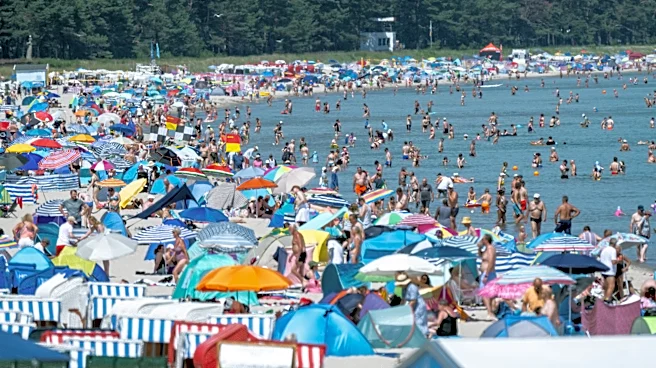
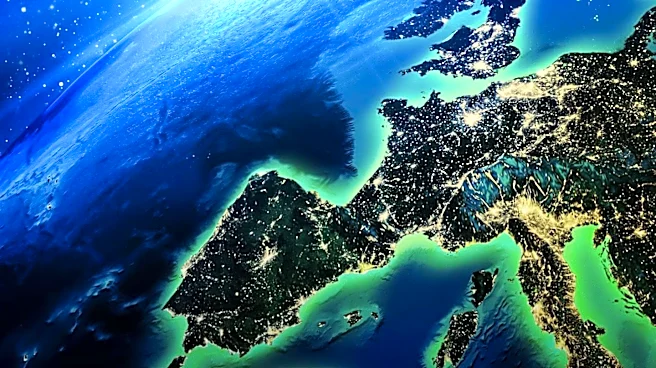
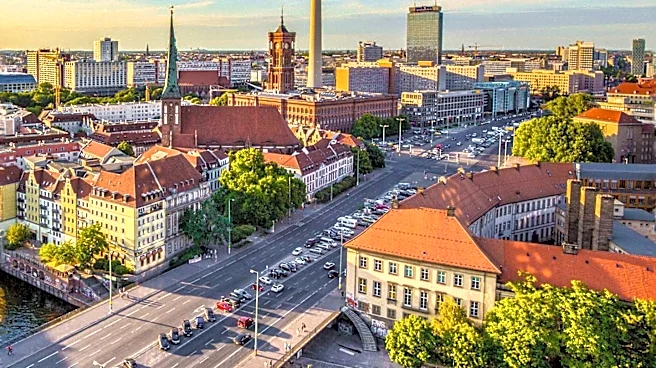
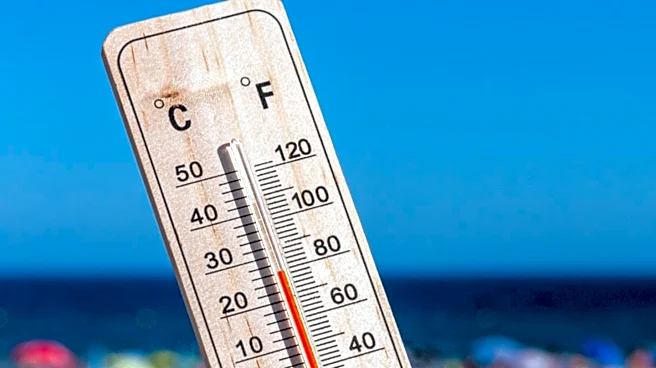
The World Health Organization (WHO) has reported that the recent heatwave across Europe has resulted in over 1,300 excess deaths since June 21. This extreme weather event has seen temperature records broken in several countries, including Germany, Poland,
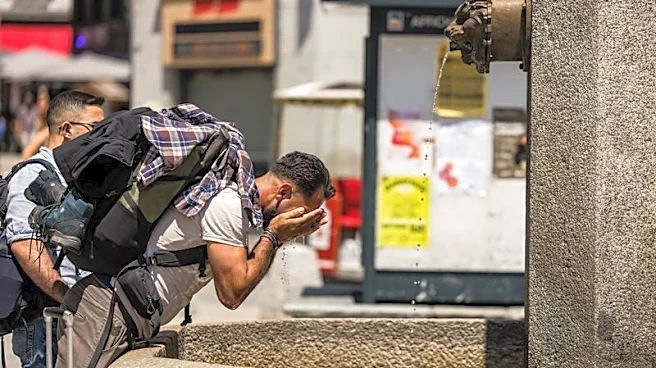
and the Czech Republic. Germany experienced its hottest day on record with temperatures reaching 41.7°C. The WHO's chief, Tedros Adhanom Ghebreyesus, highlighted the severe impact of heat stress, often referred to as the 'silent killer', on European populations, particularly as many homes and workplaces are not equipped to handle such high temperatures. France's national health ministry also reported approximately 1,000 excess deaths, primarily affecting those over the age of 65.
Why It's Important?
The heatwave underscores the growing impact of climate change, with Europe warming at twice the global average. The significant number of excess deaths highlights the urgent need for effective heat health action plans to protect vulnerable populations. The extreme temperatures have disrupted daily life, causing school closures and straining infrastructure, including power grids. This situation serves as a stark reminder of the potential human cost of climate change and the necessity for countries to implement strategies to mitigate its effects.
What's Next?
European countries are being urged to develop and implement comprehensive heat health action plans to better prepare for future heatwaves. These plans could include measures such as improving building designs to withstand higher temperatures, increasing public awareness about heat-related health risks, and enhancing emergency response systems. The ongoing climate crisis suggests that such extreme weather events may become more frequent, necessitating long-term planning and international cooperation to address the challenges posed by global warming.
Beyond the Headlines
The heatwave in Europe is a clear indicator of the broader implications of climate change, which could lead to more frequent and severe weather events globally. This situation raises ethical questions about the responsibility of developed nations to lead in climate action and support less equipped countries. Additionally, the economic impact of such events, including potential losses in agriculture and increased healthcare costs, could have long-term effects on global markets and economies.