







What's Happening?
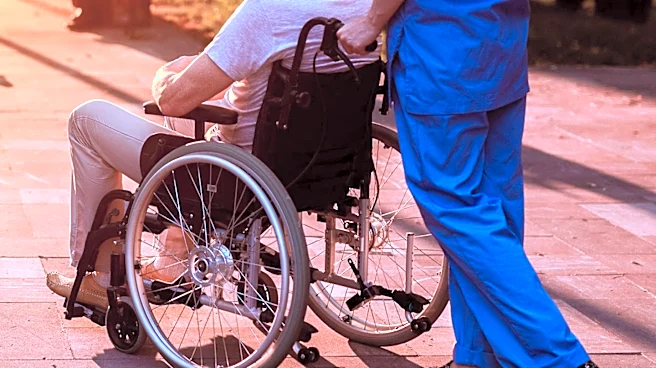
A study conducted in Taiwan has found that spouses of individuals with dementia are at a significantly higher risk of developing the condition themselves. The research, which analyzed nearly 1 million married individuals, revealed that women with spouses suffering
from dementia have a 74% higher risk, while men have a 69% higher risk. The study suggests that the stress and lifestyle changes associated with caregiving may contribute to this increased risk. The findings highlight the need for a household-level approach to dementia risk assessment, considering the shared environment and lifestyle factors.
Why It's Important?
This study underscores the broader impact of dementia beyond the individual diagnosed, affecting entire households. The increased risk for spouses highlights the need for support systems that address the well-being of caregivers, who often face chronic stress and neglect their own health needs. Understanding these dynamics is crucial for developing comprehensive care strategies that include both patients and their families. The findings could influence public health policies to provide better support and resources for caregivers, potentially mitigating the risk of dementia in this vulnerable group.
What's Next?
Future research may focus on understanding the specific factors that contribute to the increased dementia risk among caregivers. This could lead to targeted interventions aimed at reducing stress and promoting healthy lifestyles among spouses of dementia patients. Additionally, healthcare systems may need to implement screening and support programs that consider the family context, ensuring that caregivers receive the necessary resources to maintain their health and well-being.