




What's Happening?
Fei-Fei Li, a prominent figure in artificial intelligence and a professor at Stanford University, is pushing the boundaries of AI by advocating for its ability to perceive the world in three dimensions. Known as the 'godmother of AI,' Li has been instrumental
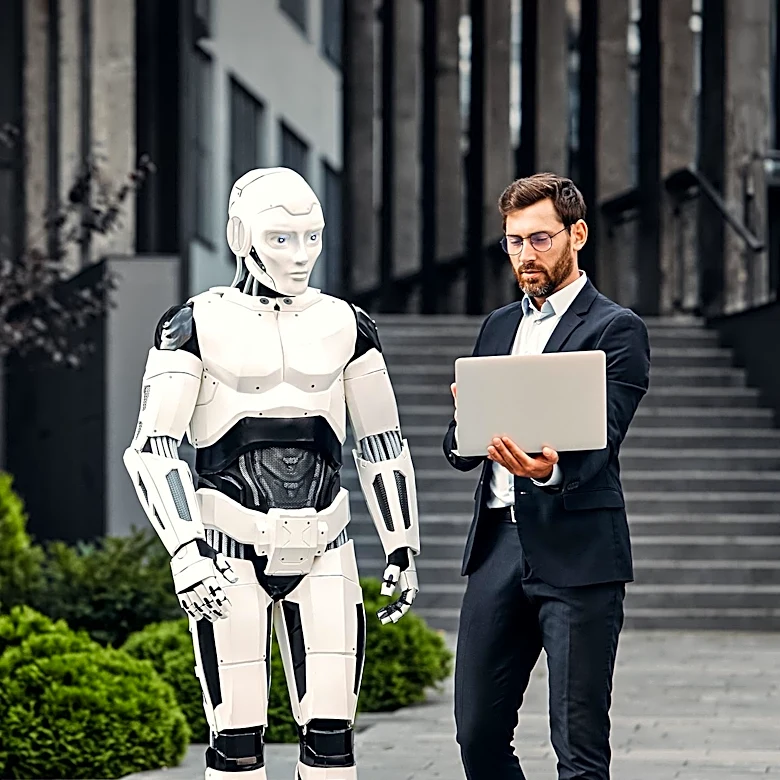
in the development of AI technologies, particularly through her work on ImageNet, a large-scale database crucial for training AI in object recognition. Her current focus is on developing AI models that can understand and interact with the physical world, a concept she refers to as 'Physical AI.' This approach aims to move beyond the limitations of current language models, which she describes as 'wordsmiths in the dark,' by enabling AI to comprehend spatial and physical dynamics. Li's efforts are part of a broader initiative to create AI that is more integrated with human needs and societal benefits.
Why It's Important?
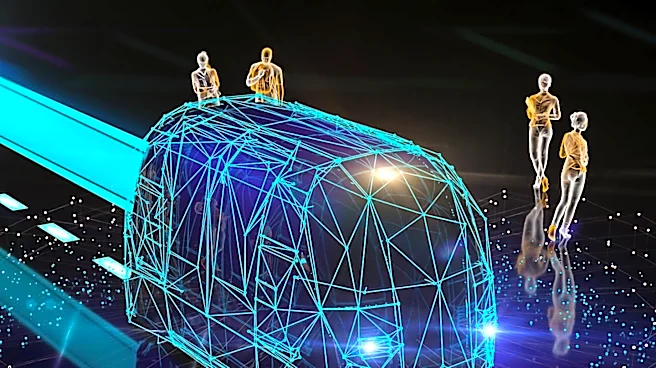
The shift towards AI that can understand the world in 3D has significant implications for various industries, including robotics, autonomous vehicles, and augmented reality. By enabling AI to interact with the physical environment, these technologies can become more effective and reliable, potentially transforming sectors such as manufacturing, healthcare, and logistics. This development also addresses ethical concerns about AI's impact on society by focusing on human-centered applications. Li's work emphasizes the importance of democratizing AI access and ensuring that its benefits are widely distributed, which could lead to more equitable technological advancements. As AI continues to evolve, the ability to perceive and navigate the real world will be crucial for its integration into everyday life.
What's Next?
Fei-Fei Li's ongoing research and her startup, World Labs, are expected to drive further advancements in AI's ability to understand and interact with the physical world. This could lead to the development of more sophisticated autonomous systems and robots capable of performing complex tasks in dynamic environments. The focus on 'Physical AI' is likely to attract interest and investment from tech companies looking to enhance their AI capabilities. Additionally, Li's emphasis on ethical AI development may influence policy discussions and regulatory frameworks, encouraging a more responsible approach to AI innovation. As these technologies mature, they could redefine how humans and machines coexist and collaborate.
Beyond the Headlines
The push for AI to understand the world in 3D also raises questions about the future of human-machine interaction. As AI becomes more adept at navigating the physical world, it could lead to new forms of collaboration between humans and machines, potentially reshaping labor markets and societal structures. This evolution may also prompt discussions about the ethical use of AI in public and private spaces, as well as the need for transparency and accountability in AI systems. Furthermore, the development of 'Physical AI' could influence cultural perceptions of technology, as society grapples with the implications of increasingly autonomous machines.