



What's Happening?
The Federal Subsistence Board has approved a late moose hunting season on parts of the eastern Kenai Peninsula, specifically within Game Management Unit 7. This decision allows federally qualified rural residents of Cooper Landing, Hope, Moose Pass, Chenega
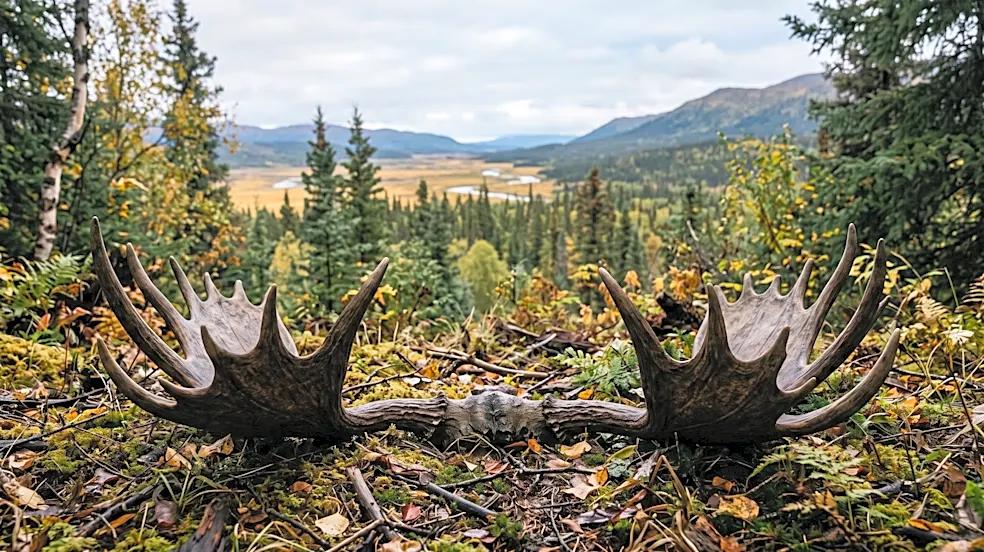
Bay, and Tatitlek to hunt antlered bulls from October 20 to November 10. This extended season provides an additional opportunity for these communities to harvest moose after the regular September season, offering hunting during cooler weather and with reduced competition. The emergency action was requested by the Chugach National Forest’s Seward Ranger District on October 7, citing concerns that eligible residents might lose their chance for a late harvest due to regulatory delays. Hunters must possess a federal registration permit, and the harvest limit is one antlered bull with specific antler requirements (spike-fork, at least 50 inches across, or three or more brow tines on either antler). This limit applies to the entire federal hunt, meaning no second moose can be taken even with the extended season. The hunt is restricted to eligible federal public lands in Unit 7, excluding areas like Kenai Fjords National Park and the Portage Glacier Closed Area.
Why It's Important?
This decision is significant for the rural communities on the eastern Kenai Peninsula, as it supports traditional subsistence practices and provides crucial food resources. Moose meat is often shared among households, benefiting families that may not hunt themselves. Historically, residents hunted moose in late October and early November, so this authorization restores a traditional hunting period that had been altered by previous regulations. The extension aims to alleviate pressure on hunters by allowing them to pursue moose in more favorable conditions, potentially increasing their success rate. While the Office of Subsistence Management initially recommended against the late season due to limited population data and habitat concerns, the Southcentral Alaska Subsistence Regional Advisory Council supported it, arguing that the small number of subsistence hunters would not significantly impact the moose population. This highlights a balance between conservation efforts and the preservation of cultural and subsistence traditions for indigenous and rural communities in Alaska.
What's Next?
Eligible residents of Cooper Landing, Hope, and Moose Pass can obtain permits through the Chugach National Forest’s Seward Ranger Station by appointment, requiring identification and proof of residency, along with a state hunting license. Federal managers retain the authority to close the season early if harvest levels indicate conservation concerns, ensuring that the moose population is not unduly impacted. Hunters seeking permits or clarification on hunting boundaries are advised to contact the Seward Ranger Station or the Office of Subsistence Management. The effectiveness of this extended season in meeting subsistence needs while maintaining ecological balance will likely be monitored, potentially influencing future decisions regarding hunting regulations in the region. This could lead to further discussions between federal and state wildlife management agencies regarding the alignment of hunting seasons and conservation strategies.
Beyond the Headlines
The authorization of this late moose hunt underscores the ongoing tension and negotiation between federal land management, wildlife conservation, and the subsistence rights of rural communities in Alaska. While conservation groups often advocate for stricter regulations based on scientific data, local communities emphasize their historical and cultural reliance on subsistence hunting for survival and cultural continuity. This decision reflects an attempt to accommodate both perspectives by allowing a limited, regulated hunt that respects traditional practices while incorporating mechanisms for early closure if ecological concerns arise. It also highlights the unique challenges of wildlife management in remote areas, where data collection can be difficult, and the needs of diverse stakeholders must be balanced. The outcome of this season could set precedents for how similar conflicts are resolved in other regions with significant subsistence hunting traditions.