
What's Happening?
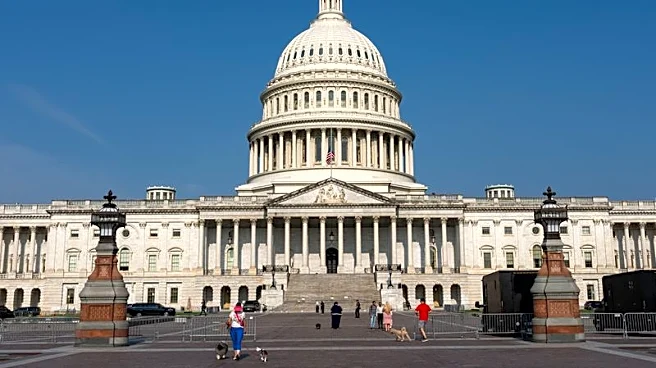
Several Senate Democrats, including Catherine Cortez Masto, have rejected the latest draft of the CLARITY Act, citing unresolved issues related to ethics, illicit finance, and conflicts of interest. The
CLARITY Act aims to establish a federal framework for digital assets, but the revised ethics provisions have failed to win over key Democrats whose votes are crucial for the bill's passage. The GOP holds 53 Senate seats and needs at least seven Democrats to reach the 60 votes required to overcome a procedural hurdle. The White House has pushed back against the Democrats' objections, particularly regarding enforcement authority and restrictions on President Trump's past cryptocurrency activities.
Why It's Important?
The rejection of the CLARITY Act by Senate Democrats highlights the ongoing challenges in establishing a comprehensive regulatory framework for digital assets in the U.S. The ethics concerns raised by the Democrats underscore the need for robust measures to prevent conflicts of interest and illicit finance in the cryptocurrency market. The White House's pushback indicates a significant divide between lawmakers and the executive branch, which could impact the future of crypto legislation. The outcome of this legislative battle could have far-reaching implications for the crypto industry, potentially affecting market stability and investor confidence.
What's Next?
The rejection of the current draft of the CLARITY Act creates an immediate vote-count problem for Republicans, who need bipartisan support to pass the bill. Negotiations are expected to continue as lawmakers attempt to address the Democrats' concerns and reach a compromise. The crypto industry has warned that the ethics dispute could derail broader regulatory reforms, emphasizing the need for compromise to avoid leaving the industry under the existing regulatory structure. The ongoing discussions will likely focus on strengthening ethics provisions while balancing the need for a comprehensive digital asset framework.
Beyond the Headlines
The debate over the CLARITY Act reflects broader ethical and legal challenges in regulating emerging technologies like cryptocurrency. The focus on ethics provisions highlights concerns about the influence of political figures on the crypto market and the potential for corruption. The outcome of this legislative effort could set a precedent for how digital assets are regulated in the U.S., influencing future policy decisions and shaping the industry's development. The clash between Democrats and the White House also underscores the complexities of crafting legislation that addresses both current and past activities of political figures.