







What's Happening?
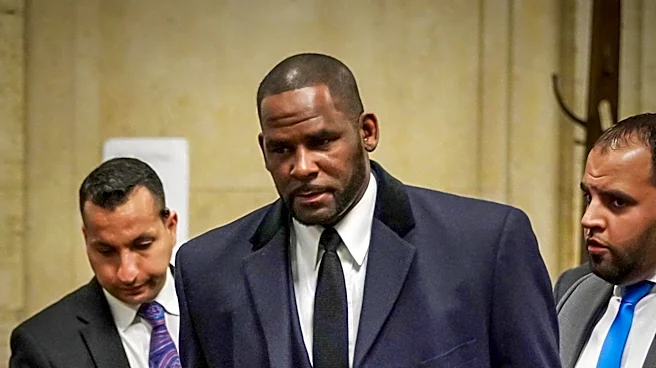
R. Kelly, the imprisoned R&B singer, has formally requested President Trump to commute his 30-year sentence for various sexual misconduct convictions. This request was made public by the Office of the Pardon Attorney, which handles executive clemency
filings for the White House. Kelly's plea is for a commutation, not a full pardon. His attorney, Beau Brindley, has been vocal about seeking President Trump's intervention, citing alleged plots against Kelly by federal authorities. Despite these claims, no official clemency request was filed until now. Kelly's legal team is also pursuing a new trial, arguing that prosecutors tainted his conviction by conspiring to steal his jail correspondence. Prosecutors have dismissed these allegations as baseless. Kelly, convicted in 2022 for child pornography and inappropriate relations with minors, is serving his sentence in North Carolina and is not eligible for release until 2046.
Why It's Important?
The request for clemency highlights the complexities of the U.S. justice system and the role of executive clemency. If granted, it could set a precedent for other high-profile cases seeking similar relief. The case also underscores the ongoing debate about the fairness of the legal process, especially in high-profile cases involving celebrities. For President Trump, granting clemency to Kelly could have political ramifications, given the public scrutiny surrounding Kelly's convictions and the broader context of sexual misconduct cases. The decision could impact public perception of the administration's stance on justice and rehabilitation.
What's Next?
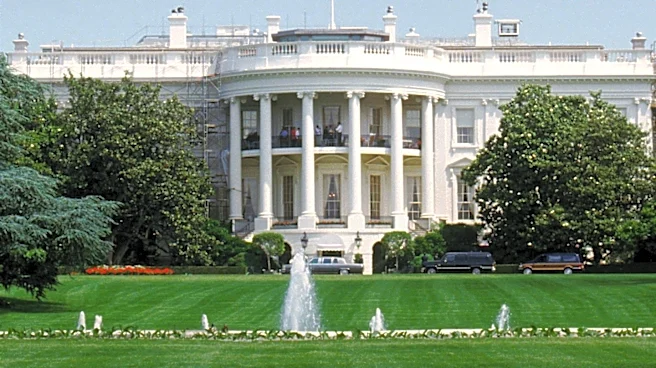
The decision on Kelly's clemency request now rests with the White House. If President Trump decides to act, it could prompt reactions from various stakeholders, including legal experts, advocacy groups, and the public. Meanwhile, Kelly's legal team continues to pursue a new trial, which could lead to further legal proceedings. The outcome of these efforts will likely influence Kelly's future and could have broader implications for similar cases. Additionally, the allegations against Kelly's attorney, Beau Brindley, could affect his ability to represent Kelly effectively.