


What's Happening?
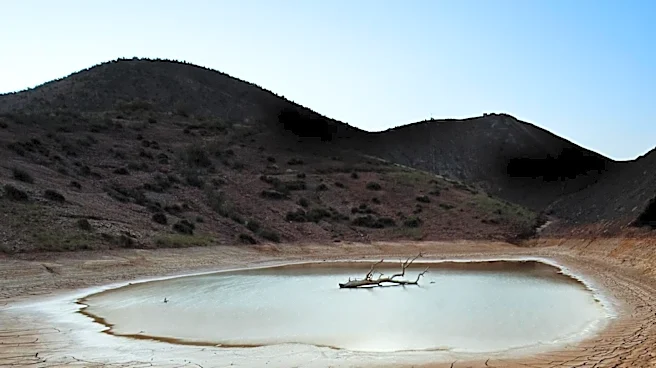
Amid widespread drought and a severe heat wave, Americans in several states, including Virginia, the Carolinas, and Colorado, are being asked to conserve water. Measures include taking shorter showers, reducing lawn watering, and using commercial car
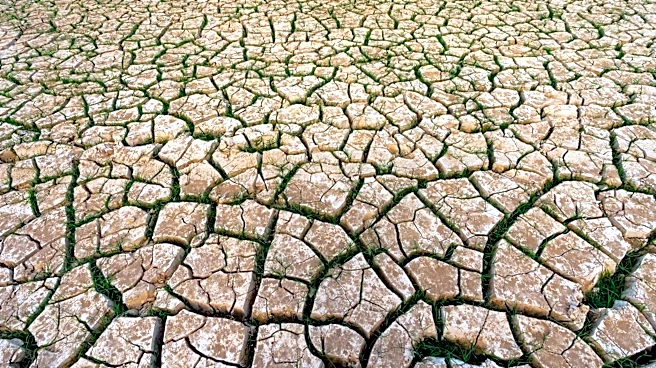
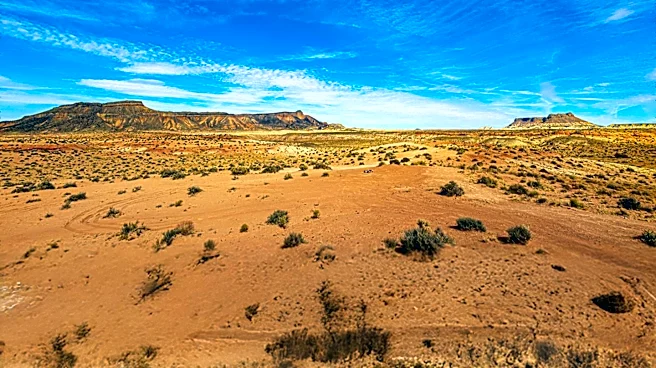
washes. While agriculture consumes more water than households, local governments emphasize the importance of residential conservation to protect limited municipal water supplies. The U.S. Drought Monitor reports that nearly half of the continental U.S. is experiencing moderate to severe drought, prompting both voluntary and mandatory water restrictions in various regions.
Why It's Important?
The call for water conservation highlights the growing challenges of managing water resources in the face of climate change and increasing drought conditions. As municipal water supplies face strain, the collective effort of residents to reduce water usage becomes crucial. This situation underscores the need for sustainable water management practices and could lead to policy changes aimed at improving water efficiency and infrastructure. The impact on agriculture, a major water consumer, also raises questions about the balance between residential and agricultural water use.
What's Next?
Local governments may continue to implement and enforce water restrictions as drought conditions persist. The situation could prompt discussions on long-term water management strategies, including infrastructure improvements and policy reforms. Residents and businesses may need to adapt to more stringent water use regulations, and there could be increased investment in technologies and practices that enhance water conservation and efficiency.