




What's Happening?
Representative Kevin Mullin, representing California's 15th Congressional District, encountered initial resistance from Customs and Border Protection (CBP) officers during an unannounced oversight inspection of the holding facility at San Francisco International
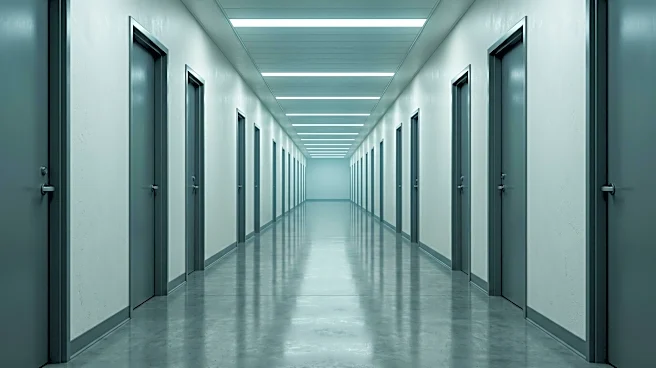
Airport (SFO) on August 20. Mullin was eventually granted entry six days later, on August 26, where he observed five detainees. His visit revealed that individuals were held at SFO for extended periods, sometimes exceeding the CBP's standard 72-hour holding limit, with some detainees possessing varying legal statuses, including those lawfully in the country. Mullin expressed shock at the sleeping conditions, noting that detainees reportedly slept upright in chairs under continuous 24-hour lighting, ate meals from airport food stands, and were restricted to supervised five-minute phone calls. This incident preceded a similar, but more successful, unannounced visit by Senator Alex Padilla to the same facility.
Why It's Important?
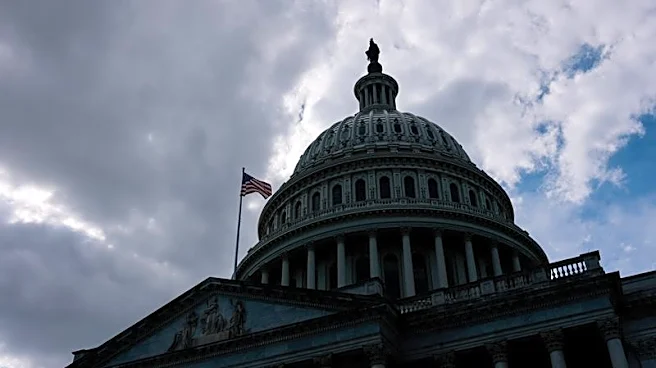
This event highlights the ongoing challenges of transparency and oversight within federal immigration detention facilities, even for elected officials. The initial refusal to grant Representative Mullin immediate access raises questions about accountability and adherence to congressional oversight authority, which is explicitly granted by Section 527 of the annual Department of Homeland Security Appropriations Act. The conditions observed by Mullin, such as prolonged detention, inadequate sleeping arrangements, and limited communication access, underscore concerns about the humanitarian treatment of detainees and potential violations of their rights. This situation is particularly significant given San Francisco's status as a sanctuary city, as the federal nature of the facility means local authorities lack the power to intervene in CBP and ICE operations within the airport. The incident contributes to a broader national dialogue about immigration policies and the treatment of individuals in federal custody.
What's Next?
The resistance faced by Representative Mullin and the subsequent observations of detainee conditions are likely to fuel continued congressional scrutiny of immigration holding facilities. Lawmakers, including Senator Padilla, have indicated their intent to maintain public attention on these sites and hold the federal government accountable. This could lead to further investigations, demands for policy changes, or legislative efforts to ensure greater transparency and improved conditions within these facilities. The incident may also prompt a review of the protocols for congressional oversight visits to ensure that elected officials are not impeded in their duties. Advocacy groups and civil society organizations are expected to leverage these findings to push for reforms in immigration detention practices and to support legal challenges against perceived abuses.
Beyond the Headlines
The resistance to Representative Mullin's oversight visit and the conditions he observed at the SFO facility point to deeper systemic issues within the U.S. immigration detention system. It underscores the tension between federal enforcement priorities and the humanitarian concerns raised by lawmakers and advocates. The fact that individuals lawfully in the country were among those detained for extended periods in substandard conditions highlights potential due process concerns and the broad discretionary powers exercised by immigration authorities. This situation also reflects the broader political climate surrounding immigration, where issues of national security, border control, and human rights often clash. The ongoing efforts by lawmakers to conduct unannounced inspections are crucial for maintaining a degree of accountability in a system that has often been criticized for its lack of transparency and oversight, particularly under previous administrations.