
What's Happening?
Chicago is enduring an unusually wet and humid summer, leading to widespread disruptions for outdoor events and businesses. Wedding planner Susan Cordogan of Big City Bride reported that this summer has
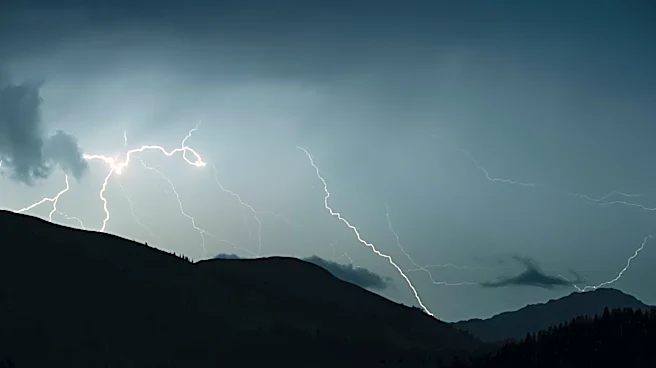
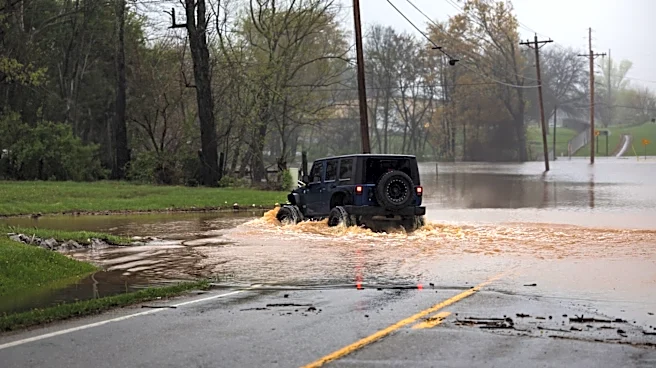
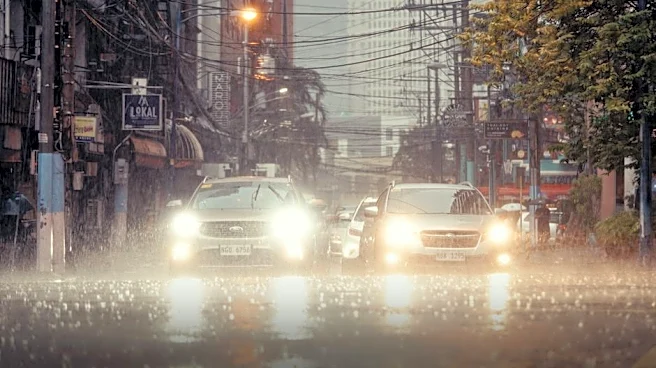
been the 'worst weather' she can recall in 23 years, forcing frequent last-minute changes to outdoor wedding plans due to rain, heat, and humidity. The city has experienced numerous severe storms, including heavy rainfall that caused foggy Fourth of July fireworks, a muddy Lollapalooza, and delays for the Air and Water Show. Rainfall totals at Midway Airport are nearing a record, with nearly 22 inches since June 1, and August alone has seen 6.69 inches, significantly above the monthly average. Additionally, wildfire smoke from Minnesota and Ontario caused some of the worst air quality in the world in July, and an invasive Asian Tiger mosquito species has thrived in the wetter conditions. This persistent bad weather has led to public frustration, with many Chicagoans expressing disappointment and demanding 'refunds' for their summer plans on social media.
Why It's Important?
The prolonged period of adverse weather in Chicago has significant economic and social implications. Businesses reliant on outdoor activities, such as Chicago Water Sport Rentals and O'Briens Riverwalk Café, have reported substantial losses in sales and operational disruptions. John Gibbs, owner of Chicago Water Sport Rentals, noted that his business has only achieved 20% of last August's sales, despite increased interest. Similarly, O'Briens Riverwalk Café has had to cut hours and send employees home multiple times, impacting their revenue and staff. Outdoor recreational sports leagues, like those managed by Chicago Sport and Social Club, have seen a doubling of weather-related cancellations, causing inconvenience for participants and organizers. This trend highlights the vulnerability of local economies to climate variability and the need for businesses and event planners to develop robust contingency plans. Socially, the 'miserable' summer has affected residents' quality of life, limiting outdoor leisure and contributing to widespread frustration, as evidenced by social media sentiment.
What's Next?
As Chicago approaches the end of its meteorological summer (June 1 to August 31), the immediate concern is whether the current weather pattern will persist. Meteorologists indicate that the frequent storms are due to an upper-level ridge of high pressure over the Plains, directing weather systems towards the Midwest. While temperatures have been closer to normal, the mugginess is expected to continue, with humidity levels reaching 95% on Wednesday morning. Businesses and event organizers will likely continue to adapt by implementing 'plan B' scenarios, which often involve moving events indoors or incurring additional costs for protective measures. For residents, the focus will shift to the fall season, with hopes for more stable weather. The long-term implications may include increased investment in weather-resilient infrastructure and more flexible planning for outdoor events to mitigate future disruptions caused by unpredictable climate patterns.
Beyond the Headlines
Beyond the immediate economic and social impacts, Chicago's unusually wet summer points to broader discussions about climate change and urban resilience. While no single weather event can be definitively attributed to climate change, the increased frequency and intensity of extreme weather phenomena, such as heavy rainfall, severe storms, and wildfire smoke, align with predicted climate patterns. This summer serves as a tangible example of how climate variability can directly affect daily life, local economies, and public morale in a major U.S. city. It prompts questions about urban planning, infrastructure development, and public health strategies in the face of a changing climate. The frustration expressed by residents and businesses underscores a growing public awareness and demand for solutions to environmental challenges. This situation could catalyze greater community engagement in climate adaptation efforts and influence policy decisions related to environmental protection and urban sustainability.