
What's Happening?
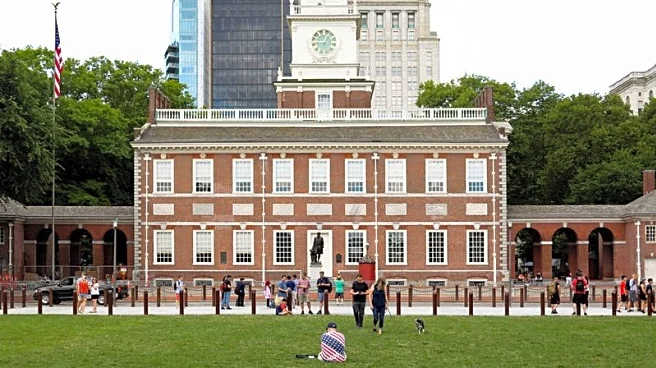
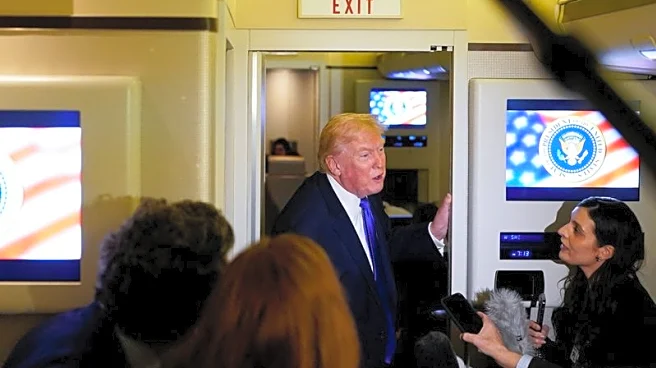
On Presidents Day, a federal judge ordered the Trump administration to restore 34 panels and videos at the President's House in Philadelphia, which were removed as part of an initiative to present a more 'uplifting' narrative of American history. The
exhibits, which include information about nine enslaved individuals held by George Washington, were dismantled following an executive order from President Trump. The city of Philadelphia filed a lawsuit, leading to the judge's ruling that emphasized the importance of preserving historical accuracy.
Why It's Important?
The decision highlights the ongoing debate over how American history is presented in public spaces. The Trump administration's efforts to remove references to slavery and other sensitive historical topics have sparked controversy, with critics arguing that such actions amount to historical revisionism. The ruling to restore the exhibits is seen as a victory for those advocating for a comprehensive and honest portrayal of American history, including its darker chapters. This case underscores the tension between federal authority and local historical preservation efforts, with potential implications for how history is taught and remembered across the nation.
What's Next?
The federal government has the option to appeal the ruling, which could prolong the legal battle over the exhibit. Meanwhile, the National Park Service is required to ensure the safety and preservation of the removed materials. The case may set a precedent for similar disputes over historical exhibits at national parks and other federal sites. As the legal process unfolds, stakeholders, including historians, educators, and civil rights advocates, will likely continue to engage in discussions about the representation of history in public spaces.