







What's Happening?
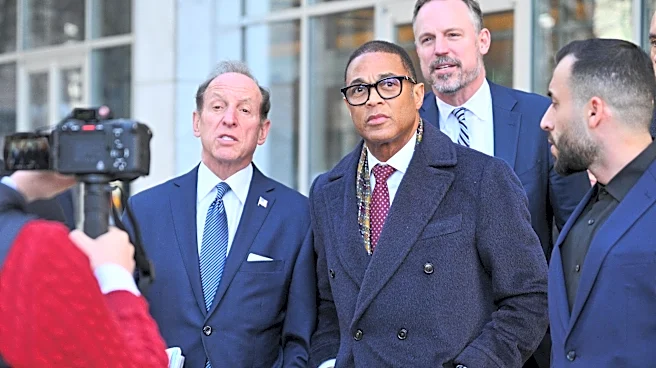
A federal judge recently unsealed records revealing that the U.S. Department of Justice attempted to obtain search warrants targeting journalists Don Lemon and Georgia Fort, as well as protesters involved in a demonstration in St. Paul, Minnesota. The
court rejected these warrants, citing the Department's failure to meet legal standards and its omission of a federal law that protects journalists from such warrants. This incident highlights ongoing concerns about government overreach and the potential intimidation of journalists and their audiences.
Why It's Important?
The attempt to issue search warrants against journalists raises significant First Amendment concerns, as it could deter independent journalism and critical speech against the government. The Privacy Protection Act of 1980 is designed to protect journalists from such government actions, ensuring that subpoenas, which can be contested in court, are used instead of search warrants. This case underscores the need for robust legal protections for press freedom and the importance of judicial oversight in preventing government overreach.
What's Next?
The incident may prompt calls for legislative action to strengthen protections for journalists, such as the proposed Privacy Protection Updates Act, which would require the government to disclose when it seeks search warrants targeting the press. Additionally, there may be increased scrutiny of the Justice Department's practices and potential disciplinary actions against attorneys who violate ethical standards. The case could also lead to broader discussions about the balance between national security and press freedom.