





What's Happening?
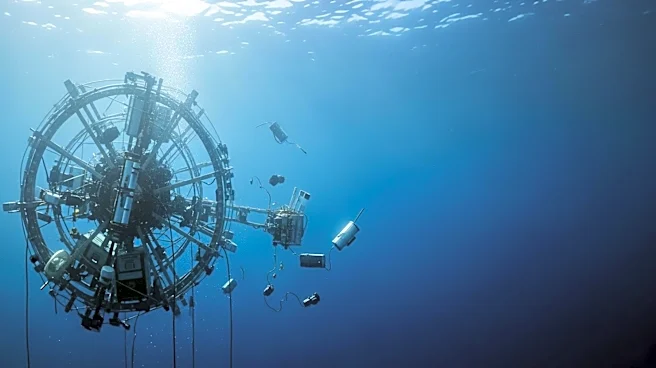
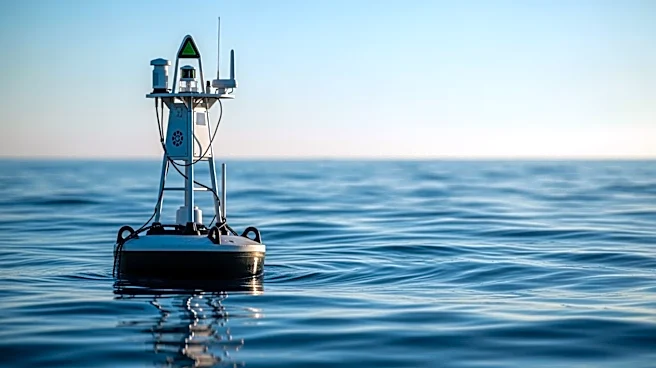
The Trump administration's decision to dismantle the Ocean Observatories Initiative (OOI) is raising concerns among scientists about the impact on climate and weather monitoring. The OOI, a network of ocean-sensing instruments, plays a crucial role in tracking
phenomena like El Niño and the Atlantic Meridional Overturning Circulation (AMOC). The removal of these instruments will hinder the ability to monitor ocean conditions that affect weather patterns, marine ecosystems, and the fishing industry. The decision is part of broader budget cuts to U.S. ocean research, which could also affect other critical programs like the Global Ocean Observing System.
Why It's Important?
The dismantling of the OOI could have far-reaching consequences for climate science and the economy. Accurate ocean data is essential for predicting weather events, managing fisheries, and understanding climate change impacts. The loss of this data could lead to increased economic costs from unanticipated weather disasters and disruptions to the fishing industry. Additionally, the reduction in monitoring capabilities could impede efforts to track and mitigate the effects of climate change, both domestically and globally. The decision reflects broader challenges in maintaining scientific research funding and prioritizing environmental monitoring.
Beyond the Headlines
The cuts to the OOI highlight the ongoing debate over the role of science in policy-making and the importance of maintaining robust research infrastructure. The decision may also have international implications, as the U.S. plays a key role in global climate monitoring efforts. The potential weakening of programs like the OOI could undermine international collaborations and data-sharing initiatives, affecting global climate policy and research. The situation underscores the need for sustained investment in scientific research to address complex environmental challenges.