





What's Happening?
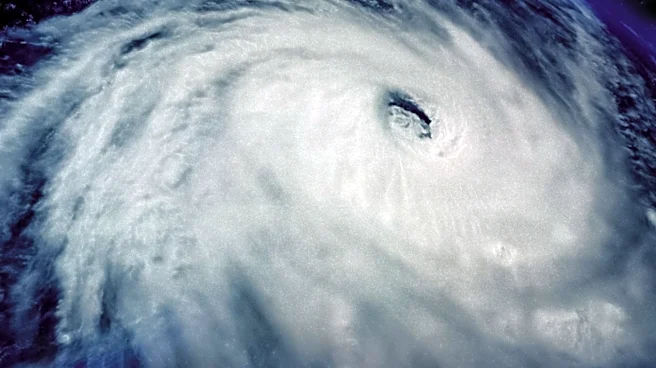
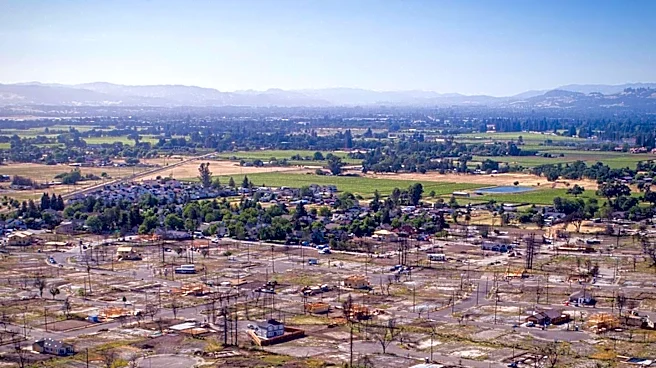
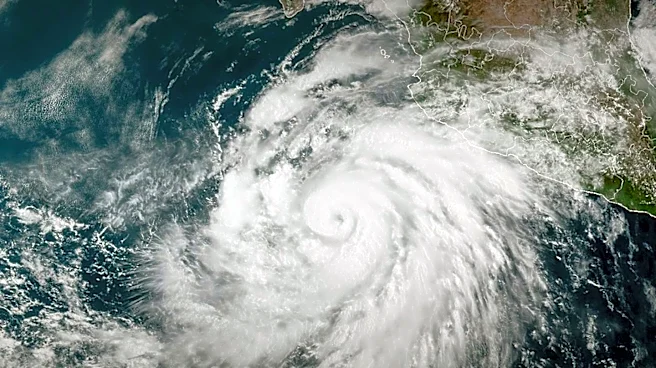
Residents of U.S. territories in the western Pacific are preparing for the potential impact of Super Typhoon Bavi, which is expected to hit the region soon. This comes just months after the area was devastated by Super Typhoon Sinlaku, which caused significant
damage and left many residents without power and living in temporary shelters. Bavi is forecasted to become a super typhoon with winds exceeding 150 mph, posing a severe threat to the Northern Mariana Islands and Guam. Local authorities and residents are taking precautionary measures, such as boarding up windows and stockpiling supplies, in anticipation of the storm.
Why It's Important?
The arrival of another super typhoon so soon after Sinlaku highlights the increasing frequency and intensity of extreme weather events in the Pacific, exacerbated by climate phenomena like El Nino. The potential impact on U.S. territories could strain local resources and delay recovery efforts from previous storms. The situation underscores the vulnerability of these regions to climate change and the need for robust disaster preparedness and response strategies. The economic and social implications are significant, as prolonged recovery could affect local economies and the well-being of residents.
What's Next?
As Bavi approaches, local governments and residents will continue to prepare for its impact. The response will likely involve coordination with federal agencies to ensure adequate support and resources are available. The outcome of the storm could influence future policy decisions regarding infrastructure resilience and climate adaptation in the region. Monitoring the storm's path and intensity will be crucial in the coming days to mitigate potential damage.