








What's Happening?
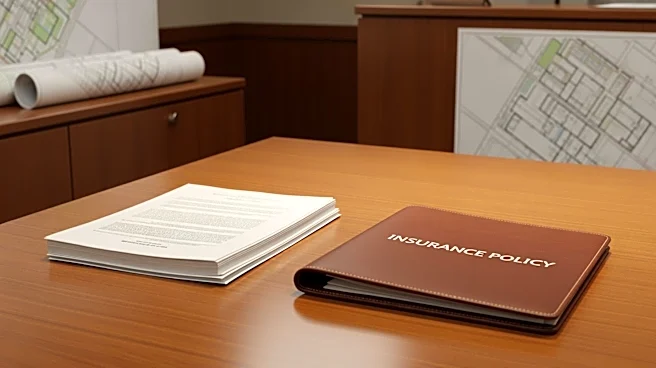
The Bowdon City Council has approved a liability insurance policy for city equipment and buildings, selecting Munich Re's quote of $125,819. This decision was made during a council meeting on Monday. Additionally, the council approved a rezoning request
for 688 Wedowee Street, changing its designation from R1 (single-family residential) to R2 (two-family/medium density residential). The property owner, Mark Cheney, intends to add another house on the property. Furthermore, the council authorized participation in an updated amicus brief in the case of Chang v. City of Milton. This case addresses municipal liability and sovereign immunity in Georgia, particularly concerning nuisance claims related to personal injury. The Georgia Supreme Court has clarified that waivers of sovereign immunity must originate from the Georgia Constitution or the General Assembly, not through judicial expansion. This legal issue is significant for municipalities across Georgia, affecting how municipal liability is applied.
Why It's Important?
The approval of the liability insurance policy ensures that Bowdon's city equipment and buildings are financially protected against potential claims, which is crucial for the city's operational stability. The rezoning decision reflects ongoing urban development and housing expansion efforts, potentially increasing the housing supply in Bowdon. The legal developments in the Chang v. City of Milton case have broader implications for municipal governance in Georgia. The clarification by the Georgia Supreme Court regarding sovereign immunity could influence how cities across the state handle liability and personal injury claims. This case could set a precedent affecting municipal liability laws, impacting how cities manage legal risks and financial responsibilities. The outcome may lead to legislative changes or adjustments in municipal policies statewide.
What's Next?
The Bowdon City Council's decisions may prompt further urban development projects, as the rezoning could encourage more property owners to seek similar changes. The city's participation in the amicus brief indicates its interest in the outcome of the Chang v. City of Milton case, which could lead to further legal or legislative actions depending on the court's decision. Municipalities across Georgia will likely monitor this case closely, as its resolution could necessitate changes in how cities approach liability and sovereign immunity. The case's outcome may also influence future legal strategies and policy formulations for cities dealing with similar liability issues.