


What's Happening?
The Missouri Humanities Council (MHC) has granted $2,500 to the Museum of Osteopathic Medicine and International Center for Osteopathic History (MOM-ICOH) for its 'Osteopathic Collection Inventory' project. The MHC, which has been a state affiliate of the National
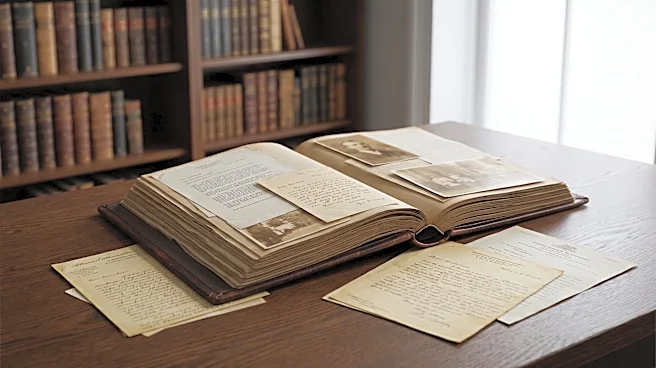
Endowment for the Humanities (NEH) since 1971, is Missouri's sole statewide agency dedicated to humanities education. The grant will fund a collection assistant to inventory and digitize approximately 1,300 early matriculation and business records, personal/professional papers, and scrapbooks. These artifacts are crucial for understanding the history of osteopathic medicine and are significant for historians and researchers studying the social, economic, and scholastic factors that shaped the field.
Why It's Important?
This grant is vital for preserving and making accessible the rich history of osteopathic medicine, a unique American healthcare tradition. The digitization of these historical records will provide researchers, historians, and the public worldwide with free access to primary source materials, enhancing scholarly understanding and public appreciation of osteopathy's development. The project directly supports the Museum's mission to preserve and promote osteopathic history through collections and research. By ensuring these documents are properly inventoried and digitized, the grant helps safeguard invaluable cultural and scientific heritage, contributing to a more complete narrative of American medical history. This initiative also highlights the critical role of state humanities councils, supported by the NEH, in fostering local cultural and educational projects.
What's Next?
The Museum of Osteopathic Medicine will proceed with hiring and deploying a collection assistant to meticulously inventory and digitize the specified historical documents. This process will involve cataloging, scanning, and uploading the materials to the Museum's online collection site, PastPerfect Online. Once completed, these newly digitized resources will be freely available globally, significantly expanding access for researchers and the general public. The project director, Debra Loguda-Summers, anticipates that this additional funding will accelerate the goal of a fully computerized inventory, further enhancing the Museum's ability to share its collection. The success of this project may also serve as a model for other historical institutions seeking to digitize their archives with support from humanities councils.
Beyond the Headlines
Beyond the immediate benefit of preserving historical records, this project underscores the broader importance of humanities funding in connecting communities with their past. The history of osteopathic medicine is not just a medical narrative; it reflects social movements, educational reforms, and the evolution of healthcare access in the U.S. By making these records accessible, the project allows for deeper analysis of how medical practices intersect with societal values, economic conditions, and educational philosophies. It also highlights the collaborative efforts between federal (NEH), state (MHC), and local institutions (MOM-ICOH) in safeguarding cultural heritage. This initiative contributes to a more informed public discourse on healthcare history and the enduring legacy of alternative medical practices in America.