





What's Happening?
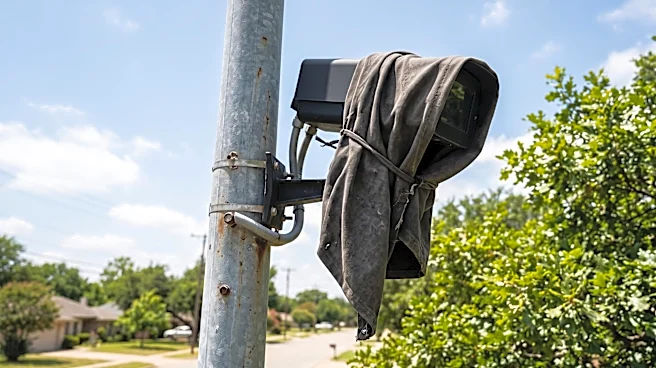
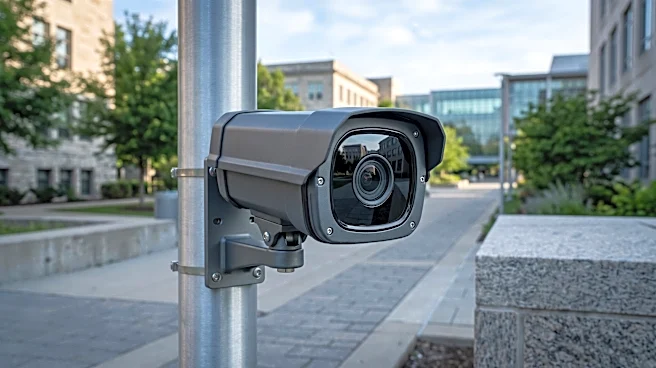
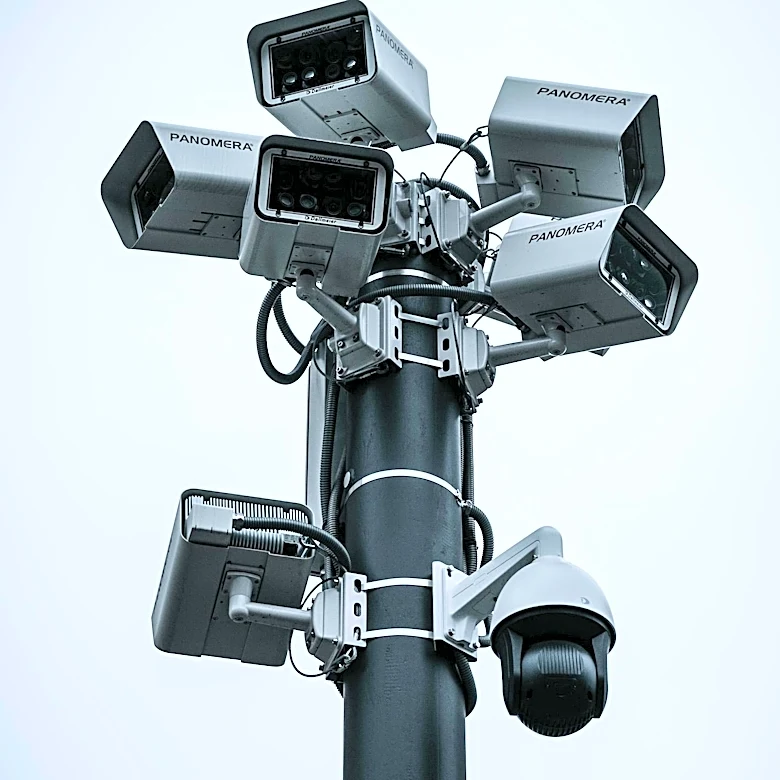
The University of Michigan's Police Department has signed a contract with Flock Safety, valued at over $127,000, to install more than a dozen cameras across its Ann Arbor campus. This decision comes despite many other communities in the area having terminated
or opted against Flock Safety contracts due to privacy concerns and documented cases of misuse. Students at the University of Michigan have expressed being 'blindsided' by the move, with many voicing strong opposition to the increased surveillance. Sophomore Zainab Ahmed articulated concerns about a lack of transparency and potential 'ulterior motives like surveillance from the government.' The University has already implemented non-Flock cameras at building entrances, parts of the Diag, and other main corridors. However, it remains unclear when or if the Flock cameras will ultimately be installed, as FOX 2 has not received a response from the University or Flock Safety regarding their installation plans.
Why It's Important?
The University of Michigan's decision to contract with Flock Safety is significant due to the ongoing national debate surrounding privacy, surveillance technology, and civil liberties, particularly within academic environments. The pushback from students highlights a growing concern among younger generations about data collection and its potential for misuse by authorities. For the University, proceeding with the installation could lead to increased student activism and a potential erosion of trust between the administration and the student body. Conversely, the University's police department may argue that the cameras are a necessary tool for enhancing campus safety and security. This situation also reflects a broader trend where institutions weigh security benefits against privacy implications, often leading to contentious discussions and policy challenges. The outcome at the University of Michigan could influence how other educational institutions approach the adoption of similar surveillance technologies.
What's Next?
The immediate next steps are uncertain, as the University of Michigan has not confirmed when or if the Flock cameras will be installed, and neither the University nor Flock Safety has commented on the matter. Student groups and privacy advocates are likely to continue their pushback, potentially organizing protests or advocating for the contract's cancellation. The University administration will need to address these concerns, either by providing more transparency regarding the camera's intended use and privacy safeguards or by reconsidering the installation. This situation could also prompt a broader campus-wide discussion on surveillance policies and the balance between security and privacy rights for students and faculty. The outcome may set a precedent for how similar technology is adopted or rejected in other university settings.
Beyond the Headlines
This development at the University of Michigan delves into the deeper implications of pervasive surveillance technology in modern society, particularly within spaces traditionally viewed as havens for free expression and intellectual exploration. The student concerns about 'surveillance from the government' and 'ulterior motives' reflect a broader societal anxiety about the expansion of monitoring capabilities and the potential for mission creep. Ethically, the deployment of such cameras raises questions about consent, the right to anonymity in public spaces, and the potential for algorithmic bias in their application. Legally, it could lead to challenges regarding constitutional rights, especially if the data collected is shared with external entities or used for purposes beyond immediate safety. Culturally, it contributes to a climate where individuals may feel constantly observed, potentially chilling free speech and assembly, and altering the fundamental character of campus life from an open, exploratory environment to a more controlled one.