








What's Happening?
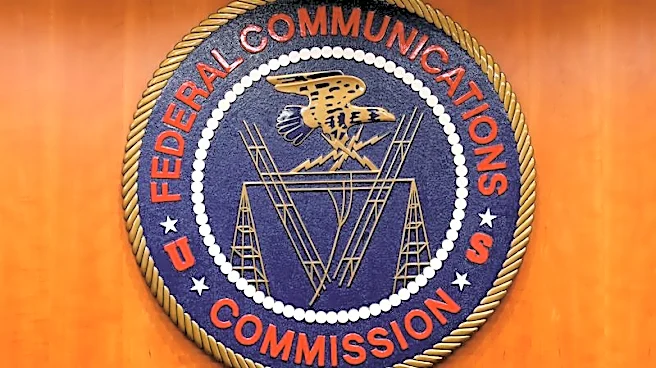
The Federal Communications Commission (FCC) is reviewing the E-Rate program, which provides discounted internet access to schools and libraries. This program, established in the 1990s, has bipartisan support and has significantly increased internet access in educational
institutions. However, FCC Chairman Brendan Carr has proposed a review to address concerns about excessive screen time for children. The review could lead to changes in how the program operates, potentially complicating access for schools. The E-Rate program is crucial for many schools, especially in rural areas, where internet service options are limited. The review has raised concerns among educators and advocates who fear that changes could increase costs for schools.
Why It's Important?
The potential changes to the E-Rate program could have significant implications for schools across the United States. Many schools rely on this program to afford internet access, which is essential for modern education, including online testing and digital learning tools. Reducing or complicating access to E-Rate funding could force schools to divert funds from other critical areas to cover internet costs. This could disproportionately affect rural and underserved areas, where internet service options are limited and more expensive. The review also highlights the ongoing debate about screen time and digital safety for children, balancing technological benefits with potential risks.
What's Next?
The FCC's review process will include a public comment period, allowing stakeholders to express their views on the proposed changes. This period will last for 60 days, followed by a 30-day reply comment period. The outcome of this review could lead to policy changes that affect how schools access and fund internet services. Educators and advocates are likely to continue lobbying to maintain the current structure of the E-Rate program, emphasizing its importance for educational equity and access. The FCC's decision will be closely watched by schools, libraries, and policymakers.