







What's Happening?
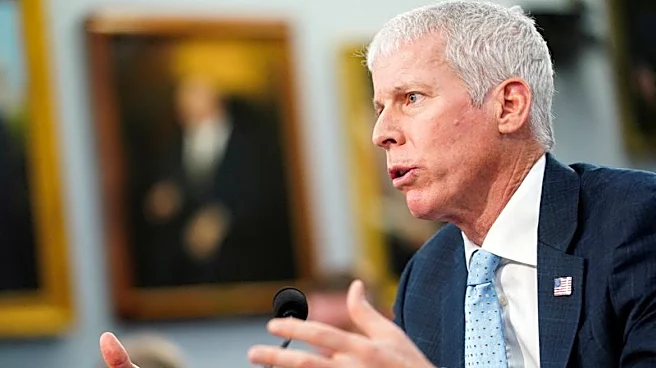
Jarrod Agen, Executive Director of the White House National Energy Dominance Council, is scheduled to speak at the G20's Energy Abundance Ministerial Meeting in Houston. During this event, Agen is expected to announce potential deals aimed at increasing
global energy supply. Among the anticipated agreements are those involving Venezuela. This announcement comes as the U.S. continues to focus on strategies to enhance energy availability worldwide. The G20 meeting serves as a platform for international cooperation on energy policies and market stability, bringing together key global players to discuss and implement measures that can influence the international energy landscape. The discussions will likely center on balancing energy security with economic stability and geopolitical considerations.
Why It's Important?
The announcement of potential deals to increase global energy supply, particularly those involving Venezuela, carries significant implications for the U.S. and international energy markets. For the U.S., securing diverse energy sources and stabilizing global supply can help mitigate price volatility and ensure domestic energy security. Increased global supply could lead to lower energy costs for consumers and businesses, impacting inflation and economic growth. For the energy industry, these deals could open new avenues for investment and production, potentially shifting market dynamics. Venezuela's involvement is particularly noteworthy given its substantial oil reserves and its complex relationship with the U.S., suggesting a potential recalibration of energy diplomacy. The G20 platform underscores the collective effort required to address global energy challenges, where decisions made can affect geopolitical alliances and economic stability across various nations.
What's Next?
Following Jarrod Agen's announcement at the G20's Energy Abundance Ministerial Meeting, the specifics of the deals, especially those concerning Venezuela, will be closely scrutinized. The implementation of these agreements will likely involve detailed negotiations and regulatory processes. Stakeholders, including energy companies, international organizations, and governments, will monitor the impact on global oil prices and supply chains. There could be reactions from U.S. lawmakers and civil society groups regarding the implications of engaging with Venezuela on energy matters. The success of these initiatives will depend on their ability to effectively increase supply, maintain market stability, and navigate geopolitical complexities. Future G20 meetings and bilateral discussions will likely continue to address the ongoing challenges and opportunities in the global energy sector.
Beyond the Headlines
The potential energy deals, particularly with Venezuela, extend beyond immediate supply increases to touch upon broader geopolitical and ethical considerations. Engaging with Venezuela, a nation with a complex political landscape, could signal a shift in U.S. foreign policy and energy strategy, potentially prioritizing energy security over other diplomatic concerns. This could lead to debates about the ethical implications of such partnerships and their impact on human rights and democratic governance in the involved countries. Furthermore, these deals highlight the long-term shift towards diversifying energy sources and reducing reliance on single regions, which has profound implications for global power dynamics. The emphasis on 'energy abundance' also suggests a strategic move to counter energy scarcity concerns and maintain economic leverage in a rapidly evolving global environment, potentially influencing future international relations and trade agreements.