
What's Happening?
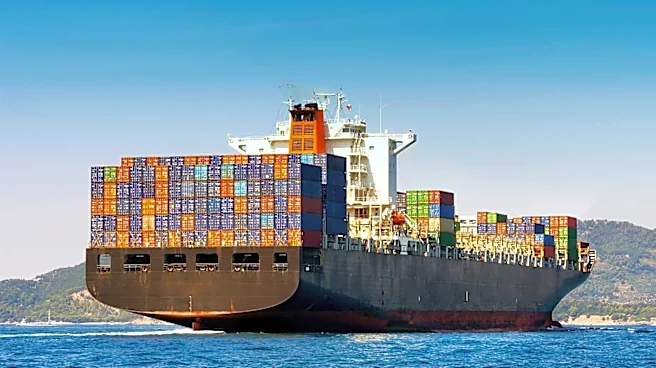
Oil prices have surged to $100 a barrel as geopolitical tensions in the Middle East escalate. The Iran-aligned Houthis have declared a naval blockade on Saudi oil shipments through the Red Sea, following
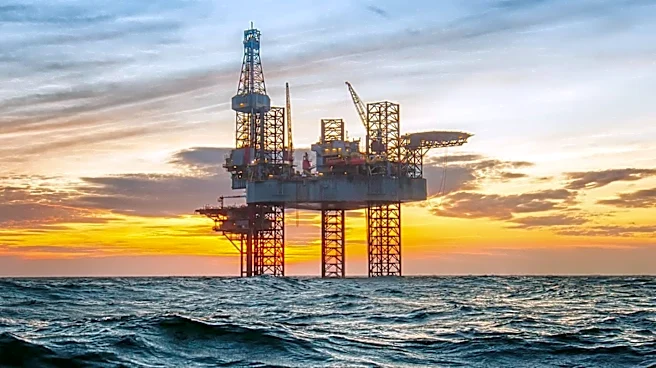
Iran's closure of the Strait of Hormuz in retaliation against U.S. and Israeli attacks. This blockade has disrupted the flow of Saudi crude, although analysts note that it is shaping who moves the oil rather than stopping it entirely. The situation has led to a significant rise in oil prices, with Brent futures increasing by nearly 7% to exceed $100 for the first time since May.
Why It's Important?
The rise in oil prices has significant implications for the global economy, particularly for countries heavily reliant on oil imports. The blockade and subsequent price surge could lead to increased costs for consumers and businesses, potentially impacting economic growth. In the U.S., higher oil prices may translate to increased fuel costs, affecting transportation and logistics sectors. The situation also underscores the vulnerability of global oil supply chains to geopolitical tensions, highlighting the need for diversified energy sources and strategic reserves to mitigate such risks.
What's Next?
The ongoing tensions in the Middle East are likely to keep oil prices volatile in the near term. Analysts are closely monitoring the situation to see how it evolves, particularly regarding the Houthis' actions and any potential responses from Saudi Arabia and its allies. The international community may seek diplomatic solutions to ease tensions and ensure the stability of global oil markets. Additionally, countries may accelerate efforts to develop alternative energy sources to reduce dependency on oil from geopolitically unstable regions.