


What's Happening?
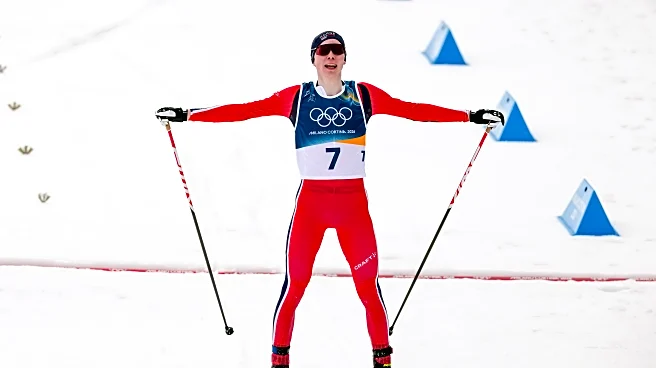
Russian athletes are preparing to compete under neutral status at the upcoming Milan Cortina Winter Olympics. This status means they will not represent Russia officially, cannot display Russian symbols, and will not hear the Russian national anthem if
they win. This development follows the diplomatic fallout from Russia's military actions in Ukraine, which led to many sports organizations barring Russian athletes. The International Olympic Committee (IOC) has allowed some Russian and Belarusian athletes to qualify as neutrals, but the number of participants is expected to be low. Russian athletes have not competed under their national flag at a Winter Olympics since 2014 due to doping scandals and subsequent sanctions.
Why It's Important?
The decision to allow Russian athletes to compete as neutrals highlights ongoing tensions between sports and international politics. It reflects the broader geopolitical landscape and the impact of Russia's actions in Ukraine on global sports. The participation of Russian athletes under neutral status could influence public perception and diplomatic relations. It also raises questions about the effectiveness of sports sanctions and the role of international sports bodies in political conflicts. The situation underscores the challenges of maintaining the integrity of international competitions while navigating complex political issues.
What's Next?
The number of Russian athletes participating in the Milan Cortina Winter Olympics remains uncertain, with estimates suggesting a maximum of 15 to 20 athletes. The IOC will continue to evaluate athletes' eligibility based on their adherence to neutral status requirements. The situation may evolve as the Olympics approach, with potential legal challenges and diplomatic negotiations influencing the final roster. The performance of Russian athletes and their reception by the international community will be closely watched, potentially affecting future policies on athlete participation in politically sensitive contexts.
Beyond the Headlines
The participation of Russian athletes under neutral status raises ethical questions about the intersection of sports and politics. It challenges the notion of sports as a neutral ground, free from political influence. The situation also highlights the long-term impact of doping scandals on Russian sports, as athletes continue to face restrictions and scrutiny. The decision to allow neutral participation may set a precedent for handling similar situations in the future, influencing how international sports organizations address political conflicts and sanctions.