



What's Happening?
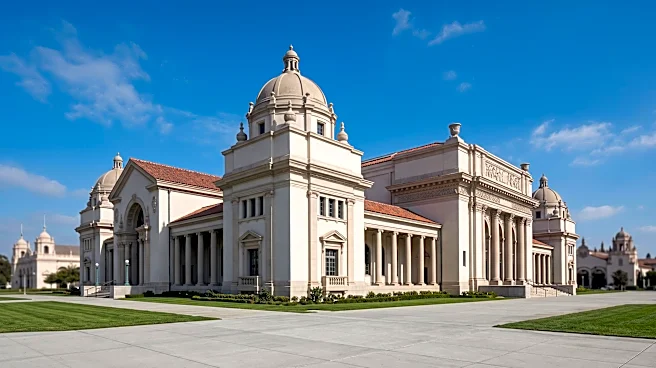
On September 6, 1901, President William McKinley was shot and mortally wounded by anarchist Leon Czolgosz during his visit to the Pan-American Exposition in Buffalo, New York. The President was greeting the public when Czolgosz, who had a pistol concealed
by a handkerchief, fired two shots at close range. McKinley succumbed to his injuries eight days later, making him the third U.S. President to be assassinated. His Vice President, Theodore Roosevelt, subsequently assumed the presidency. This event occurred amidst a period of significant social and political unrest, with anarchist movements gaining traction globally, leading to heightened concerns about national security and presidential protection.
Why It's Important?
The assassination of President McKinley had profound implications for American politics and the role of the presidency. It thrust Theodore Roosevelt, a young and dynamic leader, into the nation's highest office, ushering in an era of progressive reforms and increased federal regulation. Roosevelt's presidency marked a shift in American foreign policy, with a more assertive stance on the global stage. Domestically, the event intensified debates about anarchism, immigration, and the need for stronger security measures for public officials. The incident also highlighted the vulnerability of presidents during public appearances, leading to eventual changes in presidential security protocols and the Secret Service's role.
What's Next?
Following President McKinley's death, Vice President Theodore Roosevelt was sworn in as President, initiating a new chapter in American history. The immediate aftermath saw a national period of mourning and a swift trial and execution for Leon Czolgosz. In the long term, the assassination prompted a reevaluation of presidential security, leading to the Secret Service taking on a permanent role in protecting the President. The event also fueled public discourse on political extremism and the balance between civil liberties and national security, issues that continue to resonate in American society and policy-making.
Beyond the Headlines
The assassination of President McKinley transcended a mere political event; it became a pivotal moment in the evolution of the American presidency and national identity. It underscored the fragility of democratic institutions in the face of extremist ideologies and catalyzed a redefinition of presidential power and public engagement. The transition to Theodore Roosevelt's presidency symbolized a generational shift, moving the nation towards a more modern, industrial, and globally engaged future. The event also left a lasting legacy on the public's perception of political violence and the enduring challenge of safeguarding leaders while maintaining an open and accessible democracy.