







What's Happening?
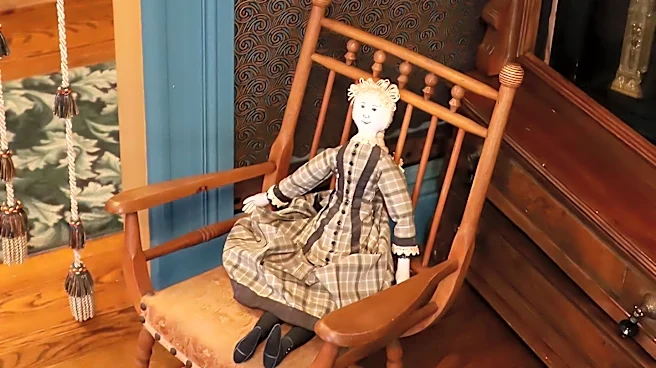
East Tennessee State University’s (ETSU) Reece Museum has opened six new exhibits that delve into the rich history and culture of Appalachia. These exhibits aim to highlight the diverse people, places, and traditions that have shaped the region. The displays
cover various aspects of Appalachian life, including the experiences on the Tennessee frontier and the significant legacy of old-time music. The artifacts and materials featured in these new exhibits were contributed by both ETSU students and members of the local community. This collaborative effort ensures that authentic pieces of local history are preserved and shared. Museum leaders emphasize that these materials are crucial for keeping Appalachian stories alive and accessible for future generations, fostering a deeper understanding and appreciation of the region's heritage.
Why It's Important?
The opening of these new exhibits at ETSU’s Reece Museum is important for several reasons. Firstly, it plays a vital role in cultural preservation, ensuring that the unique narratives and traditions of Appalachia are not lost but instead celebrated and passed down. Appalachia has a distinct cultural identity, often misunderstood or stereotyped, and these exhibits provide an authentic portrayal of its history and people. Secondly, by involving students and community members in the contribution of artifacts, the museum fosters a sense of local ownership and engagement, strengthening community ties and encouraging participation in cultural heritage efforts. This initiative also serves an educational purpose, offering valuable resources for students, researchers, and the general public to learn about the region's past, from frontier life to its musical heritage, thereby enriching academic and public understanding of Appalachian culture.
What's Next?
With the opening of these six new exhibits, the Reece Museum will likely focus on promoting visitor engagement and educational programming. This could include guided tours, workshops, and lectures related to Appalachian history, frontier life, and old-time music, aimed at both university students and the wider community. The museum may also seek to expand its collection further, encouraging more community members to contribute artifacts and stories to enrich future exhibits. Collaborations with local historical societies, schools, and cultural organizations could also be pursued to broaden the reach and impact of these exhibits. Additionally, the museum might explore digital initiatives to make these stories and artifacts accessible to a wider audience beyond physical visitors, ensuring the preservation and dissemination of Appalachian heritage continues to evolve.
Beyond the Headlines
Beyond the immediate display of artifacts, these exhibits contribute to a broader narrative about regional identity and the importance of local history in a globalized world. They challenge monolithic perceptions of American culture by spotlighting the distinctiveness of Appalachia, fostering a more nuanced understanding of the nation's diverse heritage. The emphasis on community contributions highlights the democratic nature of history-making, where everyday objects and personal stories become integral to the collective memory. Furthermore, by preserving the legacy of old-time music, the museum underscores the role of cultural expressions in shaping identity and providing continuity across generations. This initiative also serves as a model for how educational institutions can actively engage with their surrounding communities to co-create and sustain cultural heritage, making history a living, evolving entity rather than a static collection of facts.