

What's Happening?
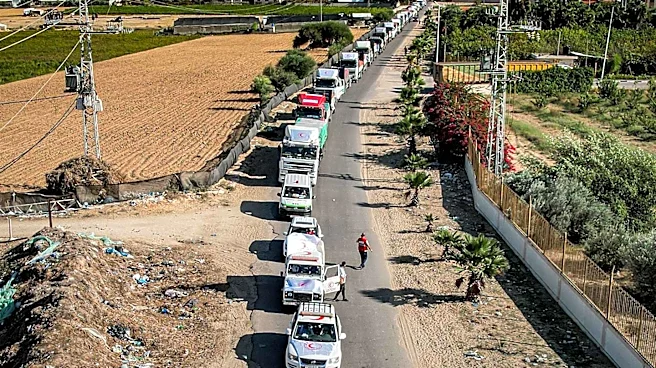
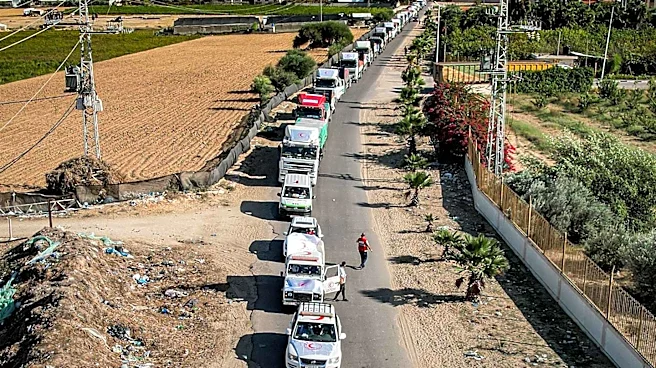
The Gaza Strip is experiencing severe fuel shortages, particularly cooking gas, due to an Israeli blockade initiated in October 2023. This blockade has closed Gaza's crossings and restricted the entry of essential goods, including cooking gas. As a result,
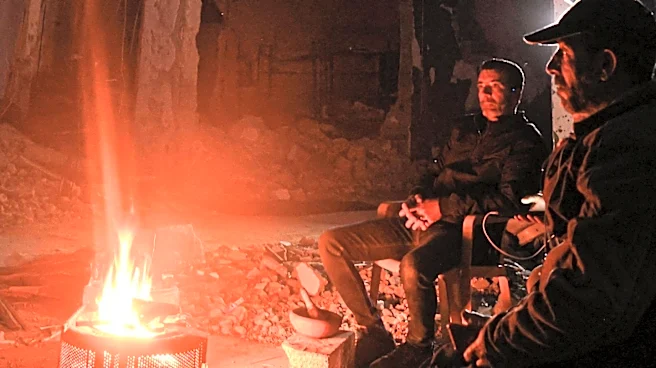
residents are increasingly relying on kerosene stoves, a method of cooking that had largely been phased out. Shawqi Abu Mughna, 61, described the situation as a return to the 'Stone Age,' with no gas, firewood, or fuel available. While cooking gas is distributed through Gaza's Petroleum Authority at 9.3 shekels ($3.1) per kilogram, supplies are so limited that families may wait up to three months for a cylinder containing only six to eight kilograms. This scarcity drives many to the black market, where prices are significantly higher, or to seek alternative fuels like industrial diesel, which costs around 20 Israeli shekels ($6.7) per liter. The crisis has also led to a shortage of spare parts for these older stoves, with repair costs soaring and residents resorting to makeshift solutions, such as using shoe leather for stove components.
Why It's Important?
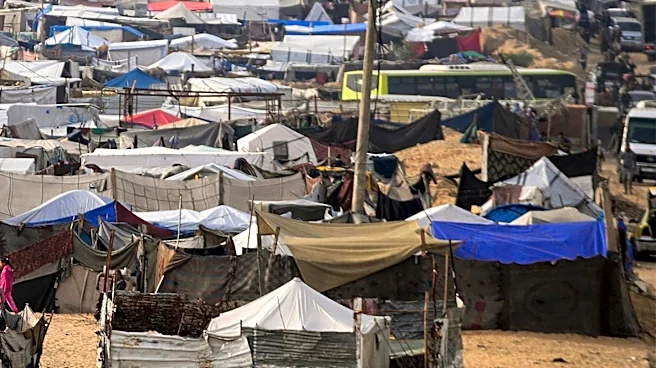
The fuel crisis in Gaza highlights the severe humanitarian impact of ongoing blockades and conflicts on civilian populations. The forced reliance on outdated and less efficient cooking methods like kerosene stoves not only signifies a drastic decline in living standards but also poses potential health and safety risks due to indoor air pollution and fire hazards. The economic strain on families is immense, as they face exorbitant prices on the black market or spend valuable time and resources searching for scarce alternatives. This situation also underscores the fragility of essential infrastructure and supply chains in conflict zones, where basic necessities become luxuries. The ingenuity of residents in creating makeshift solutions, while demonstrating resilience, also points to the desperation caused by the lack of fundamental resources. The long-term implications include potential health crises, increased poverty, and a further destabilization of daily life for the 2.4 million Palestinians in Gaza, many of whom are already displaced.
What's Next?
The immediate future for Gaza residents suggests a continued struggle with fuel scarcity unless there is a significant change in the blockade policies. The demand for alternative fuels and the associated makeshift repair industry are likely to persist and potentially grow. Humanitarian organizations will likely face increased pressure to provide aid, including fuel, but their efforts may be hampered by ongoing restrictions. The reliance on burning various materials like plastic and nylon for fuel could lead to environmental degradation and increased health issues from toxic fumes. Without a resolution to the blockade and a consistent supply of cooking gas, families will continue to face severe challenges in meeting their basic needs for cooking and heating. The situation could also exacerbate social unrest as economic pressures mount and living conditions deteriorate further.
Beyond the Headlines
Beyond the immediate crisis, the situation in Gaza reveals deeper issues of resource control and its use as a tool in conflict. The blockade's impact extends beyond mere inconvenience, fundamentally altering daily life and forcing a regression in technological and social development. The return to kerosene stoves symbolizes a broader de-development, where communities are stripped of modern conveniences and forced to adapt to more primitive means of survival. This also raises ethical questions about the collective punishment of a civilian population through the restriction of essential goods. The long-term psychological toll on residents, particularly children, who are growing up in an environment of constant scarcity and hardship, is also a significant concern. The crisis highlights the urgent need for international intervention to ensure humanitarian access and protect civilian populations from the devastating consequences of prolonged conflict and blockades.