



What's Happening?
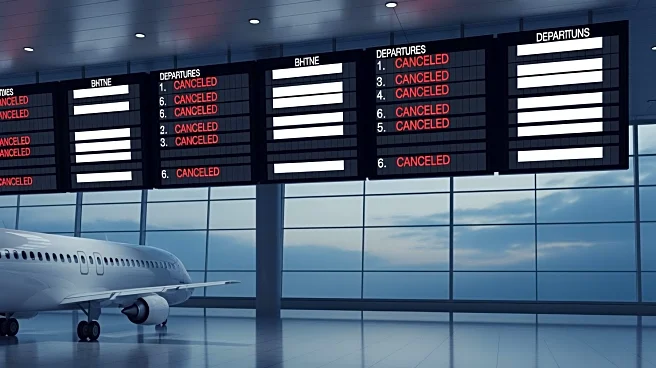
On January 9, 2026, Dubai Airports reported the cancellation of 17 Flydubai flights to Iranian cities including Tehran, Shiraz, and Mashhad. This disruption is part of a broader response by airlines such as Turkish Airlines, Ajet, and Pegasus, which have
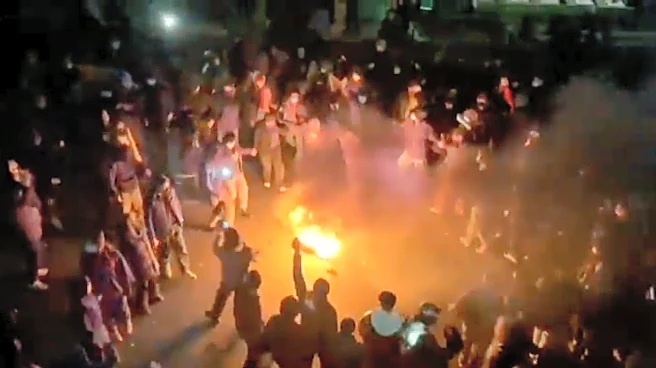
also canceled flights to Iran. The cancellations are attributed to safety concerns amid ongoing civil unrest in Iran, which has been experiencing large-scale protests and an internet blackout since late December. Airlines are proactively avoiding Iranian airspace to mitigate potential threats to airports and ground staff. This situation is reminiscent of the 2020 US-Iran standoff, which similarly led to flight rerouting and cancellations.
Why It's Important?
The cancellation of flights between Dubai and Iran has significant implications for business and leisure travel, particularly affecting UAE-based multinational companies with operations in Iran. These companies face challenges in maintaining project timelines and may need to activate virtual collaboration protocols. Additionally, the disruption affects cargo transport, especially for time-sensitive goods like medical and electronic components, which now require longer trans-shipment routes, increasing costs and delays. The situation underscores the vulnerability of international travel and logistics to geopolitical tensions and civil unrest, highlighting the need for robust contingency planning by global mobility teams.
What's Next?
As the situation in Iran stabilizes, airlines may gradually resume flights, but this will depend on improved security conditions. In the meantime, companies are advised to issue real-time travel alerts and avoid last-minute re-bookings at airports. Insurance policies covering civil unrest disruptions may provide some relief, but only if trips were booked before public warnings. Organizations should document internal cut-off times for future claims and consider building contingency budgets into their travel forecasts for the first quarter of 2026. Remote-work waivers may also be explored for staff involved in Iranian projects.