


What's Happening?
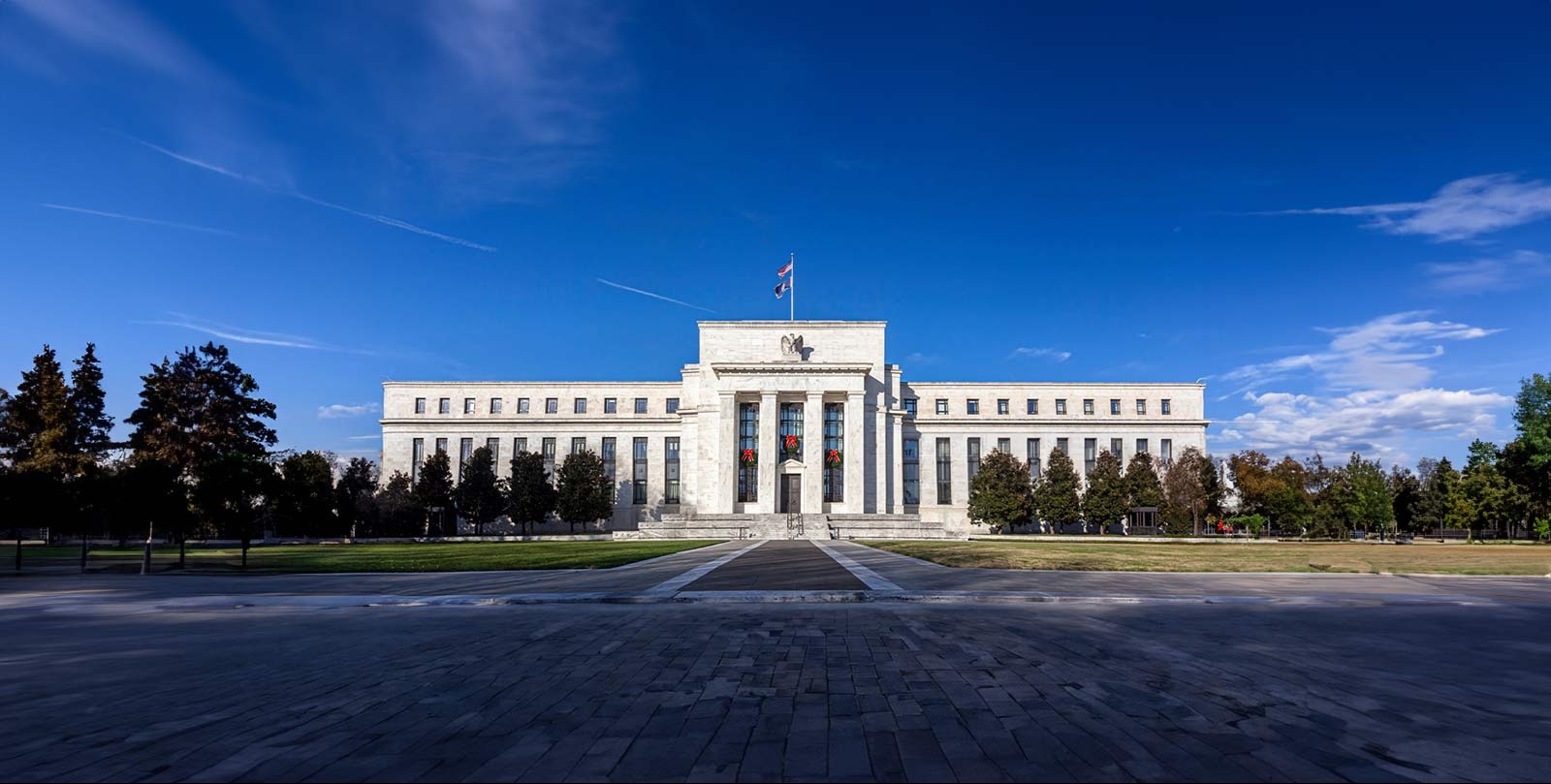
Federal Reserve Chair Jerome Powell announced that the Department of Justice has issued subpoenas to the central bank, threatening criminal indictment over his testimony regarding the Fed's building renovations. This development marks an escalation in President
Trump's ongoing conflict with the Fed, which he has criticized for not lowering interest rates to his preference. The subpoenas are linked to Powell's Senate testimony about a $2.5 billion renovation project, which Trump has labeled as excessive. Powell has responded by defending the Fed's independence in setting interest rates, describing the DOJ's actions as attempts to undermine this autonomy.
Why It's Important?
The subpoena and potential criminal charges against Powell could have significant implications for the Federal Reserve's independence and the broader financial markets. The Fed's ability to set interest rates free from political influence is crucial for maintaining economic stability and investor confidence. Any perceived compromise of this independence could lead to increased market volatility, affecting borrowing costs and the value of U.S. Treasury securities. The situation also highlights ongoing tensions between the Trump administration and the Fed, which could have long-term impacts on monetary policy and economic governance.
What's Next?
The legal proceedings and potential indictment of Powell will be closely monitored by financial markets and political observers. The outcome could influence future appointments to the Fed and its policy decisions. Additionally, the Supreme Court is set to hear arguments related to the administration's attempts to remove Fed governor Lisa Cook, which could further impact the Fed's composition and independence. Market reactions to these developments will be critical in assessing the broader economic implications.