



What's Happening?
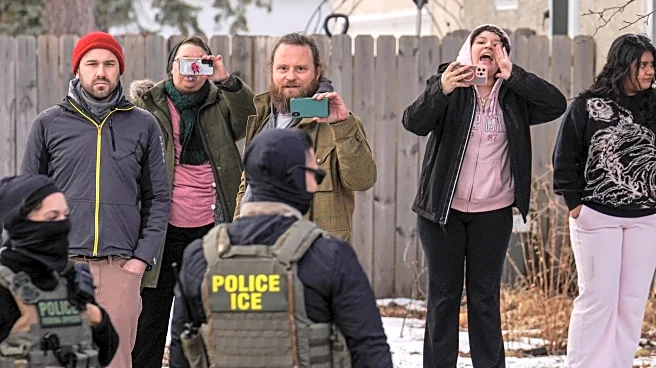
Recent fatal shootings in Minneapolis involving federal agents have led to significant public distress, with mental health experts highlighting the psychological impacts of witnessing such violent events. The incidents, which occurred within 17 days of each
other, involved the deaths of Renee Good and Alex Pretti during intensified federal immigration enforcement operations. The widespread circulation of images and videos of these events has brought attention to the concept of vicarious trauma. Experts emphasize that witnessing unexpected and violent deaths can lead to long-lasting psychological consequences, including increased symptoms of anxiety and depression. Research indicates that exposure to negative news can worsen mood and anxiety symptoms, with studies showing correlations between news consumption and heightened worry and hopelessness.
Why It's Important?
The psychological impact of witnessing violence, especially through media, is significant as it can trigger fear, hypervigilance, and emotional exhaustion. This is particularly concerning for communities directly affected by such events, as well as for the broader public exposed through media. The phenomenon of 'linked fate' suggests that individuals may feel a personal connection to these events, increasing their psychological distress. The mental health implications are profound, as they can erode a sense of safety and stability, leading to long-term mental health challenges. Understanding these impacts is crucial for developing strategies to mitigate the psychological toll on individuals and communities.
What's Next?
Experts recommend practical steps to protect mental health, such as limiting news exposure and engaging in supportive community activities. Setting specific times for news consumption and participating in advocacy or affinity groups can help individuals manage their mental health. Peer support is highlighted as a protective factor, and maintaining engagement in positive life activities is encouraged to preserve mental well-being. These strategies aim to help individuals cope with the psychological impacts of witnessing violence and maintain their mental health amidst ongoing societal challenges.