







What's Happening?
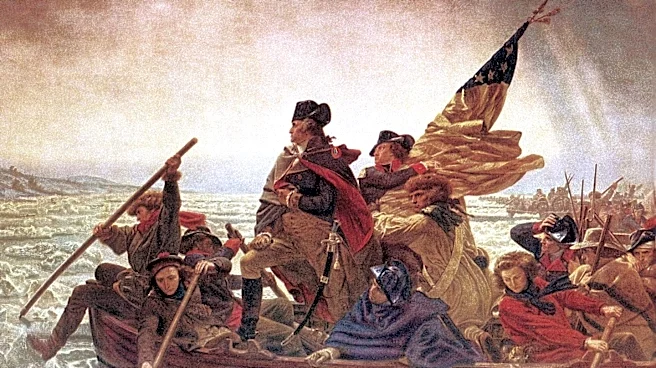
During the American Revolutionary War, Colonel John Glover and his regiment from Marblehead, Massachusetts, played a critical role in the evacuation of American troops from Brooklyn Heights. These soldiers, primarily experienced sailors and fishermen,
were instrumental in ferrying over 9,000 American troops from Long Island to Manhattan on the night of August 29, 1776. This strategic withdrawal occurred under the cover of a dense fog that settled in after a period of harsh weather, allowing the Continental Army to escape without any casualties or captures. The British forces, led by Generals Henry Clinton and Charles Cornwallis, had landed on Long Island days earlier, outnumbering and outmaneuvering the American forces. General Washington had initially sent over 1,000 troops, including some from Glover's regiment, to bolster defenses on Long Island. However, facing overwhelming British numbers, a Council of War decided on the evacuation, which Glover's men executed successfully, preserving the American Army to continue the fight.
Why It's Important?
The successful evacuation of American troops from Brooklyn Heights was a pivotal moment in the early stages of the American Revolutionary War. Had Glover's regiment not effectively transported the Continental Army across the East River, a significant portion of General Washington's forces could have been captured or destroyed, potentially altering the course of the war. This event demonstrated the critical importance of naval and logistical capabilities, even for an army primarily engaged in land warfare. It highlighted the resourcefulness and adaptability of the American forces, utilizing the unique skills of men like the Marblehead fishermen. The preservation of these troops allowed the Continental Army to regroup and continue its struggle for independence, preventing a potentially devastating early defeat that could have demoralized the nascent American cause and strengthened British control over the colonies. The strategic retreat underscored Washington's leadership and the resilience of his forces in the face of superior enemy power.
What's Next?
Following the successful evacuation from Brooklyn Heights, General Washington faced the immediate challenge of rebuilding Manhattan's defenses. The Continental Army, though preserved, was still under immense pressure from the British forces. The strategic focus would shift to defending Manhattan, with Washington needing to assess his remaining resources and plan for future engagements. The British, having secured Long Island, would likely continue their offensive operations, aiming to capture New York City and further cripple the American resistance. The experience gained from the Brooklyn Heights evacuation would likely influence future tactical decisions, emphasizing the need for flexible strategies and the utilization of all available resources, including the unique skills of specialized units. The Continental Army would need to recruit and train new soldiers, secure supplies, and maintain morale in the face of ongoing British military superiority.
Beyond the Headlines
The story of Colonel John Glover's regiment at Brooklyn Heights extends beyond a mere military maneuver; it symbolizes the diverse contributions and ingenuity that characterized the American Revolutionary War effort. The Marblehead fishermen, accustomed to the unpredictable nature of the sea, brought a unique set of skills to the land-based conflict, demonstrating how civilian expertise could be adapted for military advantage. This event also highlights the often-overlooked logistical challenges of warfare and the critical role played by support units in ensuring the survival of fighting forces. Furthermore, the reliance on natural elements, such as the fog, underscores the precariousness of early American military operations and the role of fortune in their successes. This episode serves as a testament to the collective spirit and determination of individuals from various backgrounds who united to achieve independence, showcasing how seemingly ordinary citizens could perform extraordinary feats under pressure.