





What's Happening?
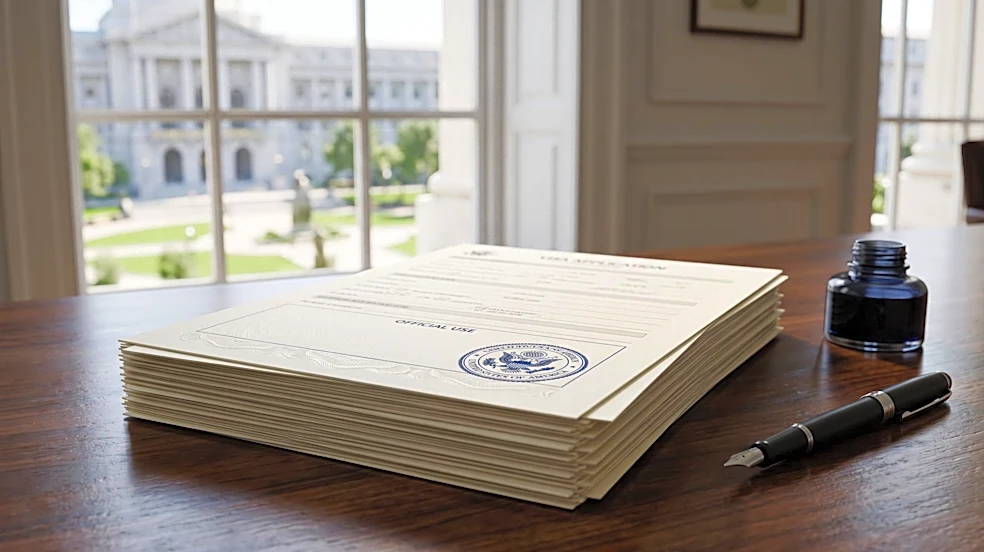
The Brookings Institution has published a new policy proposal recommending the creation of a temporary work visa, termed "H-1D," specifically for foreign home health aides, personal care aides, and nursing assistants. Authored by Brookings scholar Tara
Watson through the Hamilton Project, this proposal aims to alleviate a growing shortage of caregivers in the United States. The H-1D visa would launch as a pilot program, initially offering 30,000 visas per year, with a potential increase to 65,000 annually after three years. Employers sponsoring these workers would be required to pay wages near the top of the local market and guarantee a minimum number of weekly hours. The proposal also contemplates a potential pathway to permanent residence after six years, though this would necessitate further changes to immigration law. This new visa category is designed to be tailored to caregiving occupations, addressing limitations of existing visa classifications like H-1B and H-2B, which are not ideally suited for direct-care workers.
Why It's Important?
This proposal is significant for the U.S. healthcare sector, particularly for staffing companies and individuals requiring direct care. The growing shortage of home health aides and nursing assistants has created a critical gap in care services, impacting elderly populations and those with chronic conditions. By creating a dedicated visa category, the H-1D aims to streamline the process for employers to bring in qualified foreign workers, thereby easing staffing pressures and improving access to care. The requirement for employers to offer competitive wages and guaranteed hours could also elevate standards within the direct-care industry. If implemented, this visa could provide a much-needed solution to a demographic challenge, ensuring that vulnerable populations receive the necessary support while also offering a structured pathway for foreign workers to contribute to the U.S. economy and potentially gain permanent residency.
What's Next?
The H-1D visa proposal is currently a policy recommendation from the Brookings Institution. For it to become a reality, it would need to gain traction among policymakers and be introduced as legislation in Congress. The initial pilot program would involve 30,000 visas per year, with a commission periodically reviewing whether the cap should be adjusted. Key stakeholders, including healthcare staffing companies, advocacy groups for the elderly, and immigration reform advocates, will likely engage in discussions and lobbying efforts to support or modify the proposal. The potential pathway to permanent residence after six years would require additional legislative action, indicating a multi-stage process for full implementation. The success of any pilot program would be crucial in determining its long-term viability and expansion.
Beyond the Headlines
The H-1D proposal highlights broader societal and economic implications beyond immediate staffing needs. It underscores the increasing demand for elder care and home healthcare services as the U.S. population ages, revealing a structural deficit in the domestic workforce for these critical roles. The proposal also touches upon ethical considerations regarding the treatment of foreign workers, with provisions for fair wages and guaranteed hours aiming to prevent exploitation. Furthermore, the potential pathway to permanent residency could integrate these workers more fully into American society, addressing long-term demographic shifts and labor market needs. This initiative could also spark debates about immigration policy, the role of foreign labor in essential services, and the balance between addressing labor shortages and protecting domestic job markets.