






What's Happening?
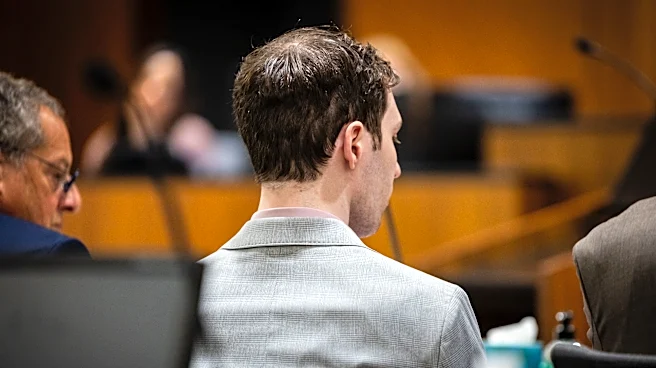
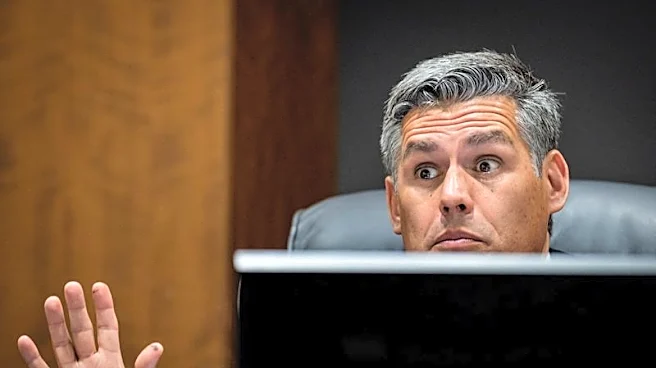
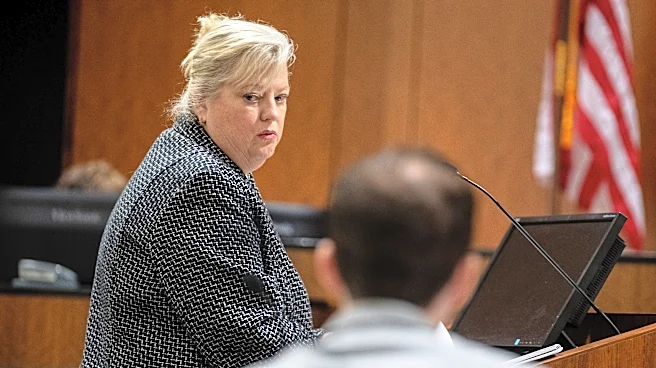
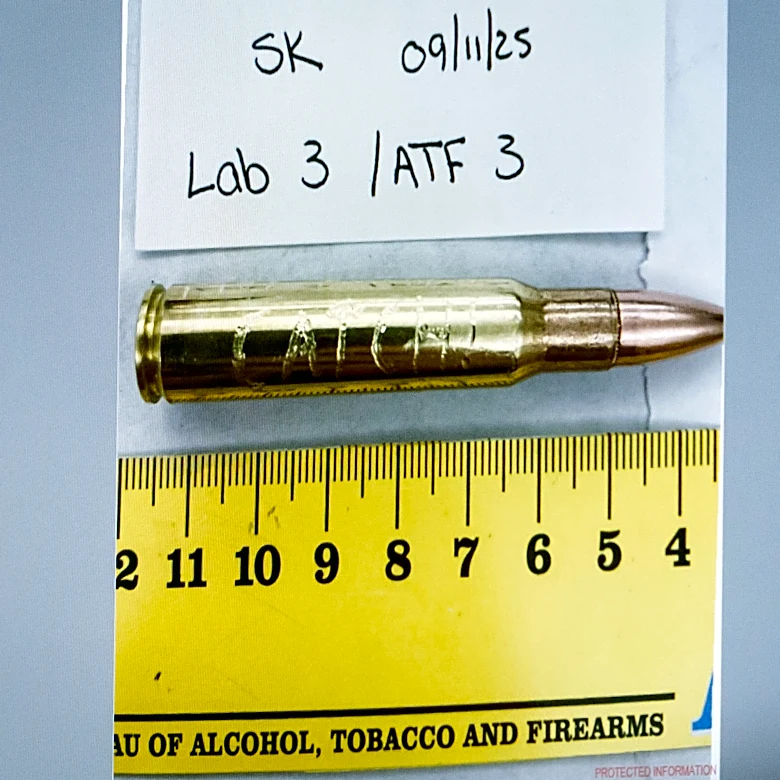
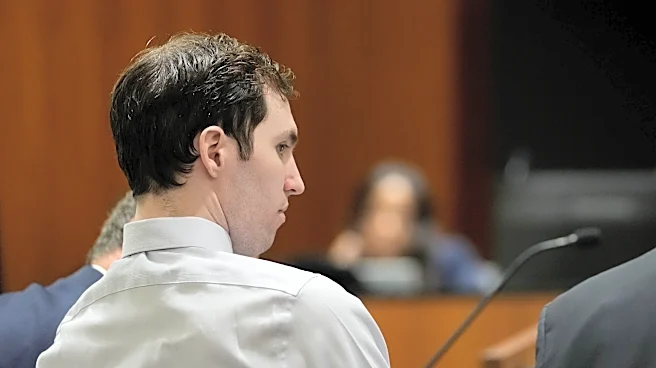
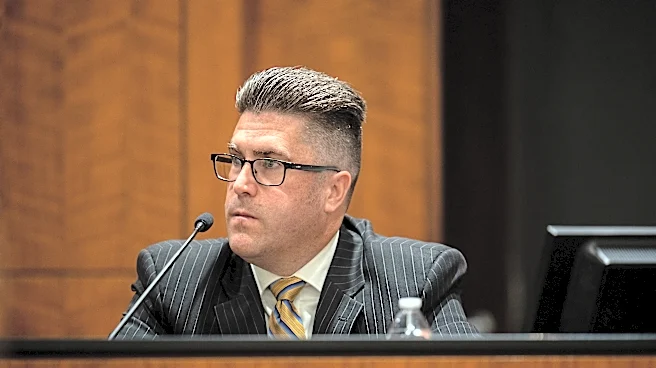
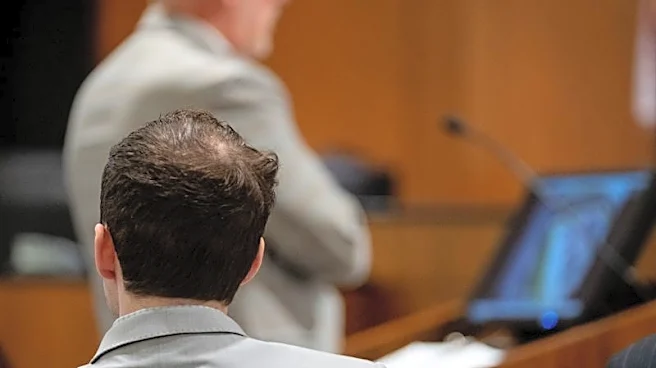
In Provo, Utah, the defense team for Tyler Robinson, accused of assassinating conservative activist Charlie Kirk, is questioning the reliability of DNA evidence presented by prosecutors. During a preliminary hearing, defense attorney Michael Burt interrogated
an FBI DNA analyst about the methods used to link Robinson to a rifle found at the crime scene. The prosecution argues that the DNA evidence is sufficient to proceed to trial, where they intend to seek the death penalty. The defense is pushing back, suggesting that the evidence does not conclusively link Robinson to the crime. The case hinges on whether the court finds the DNA evidence reliable enough to warrant a trial.
Why It's Important?
The case has significant implications for the legal standards of DNA evidence in high-profile criminal cases. If the court finds the DNA evidence unreliable, it could set a precedent affecting future cases involving forensic evidence. The outcome also holds political weight, as the assassination of a prominent conservative figure like Charlie Kirk could influence public opinion and political discourse. The decision to seek the death penalty adds another layer of complexity, highlighting the ongoing debate over capital punishment in the U.S.
What's Next?
The court will continue to hear arguments regarding the admissibility of the DNA evidence. If the judge rules in favor of the prosecution, the case will proceed to trial, where the defense will likely continue to challenge the evidence. The decision could prompt reactions from political groups and civil rights organizations, particularly if the death penalty remains on the table. The case's progression will be closely watched for its potential impact on legal and political landscapes.