




What's Happening?
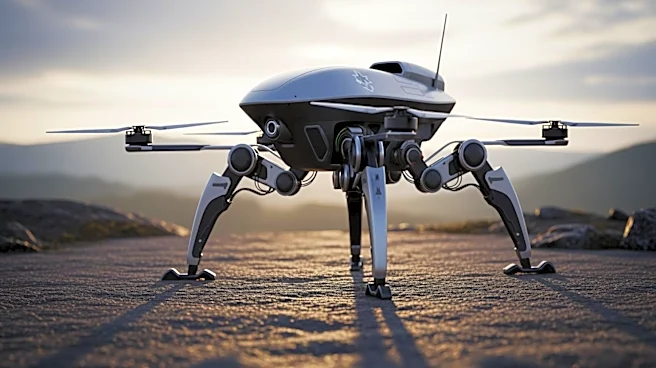
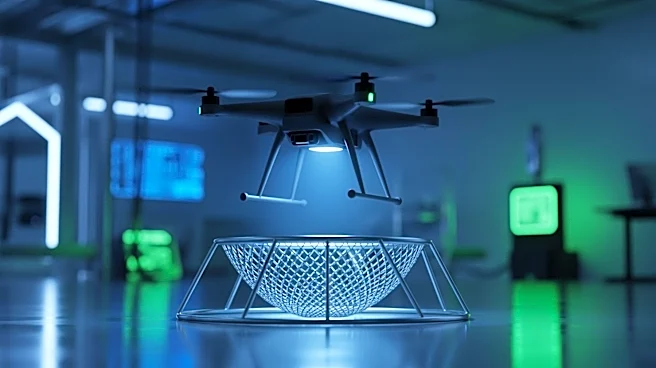
A team from the Pennsylvania Army National Guard, in collaboration with the Army Research Laboratory, is developing a prototype enemy drone recovery system. This initiative, known as Project RED (Recovery Exploitation Drone), won the innovation award
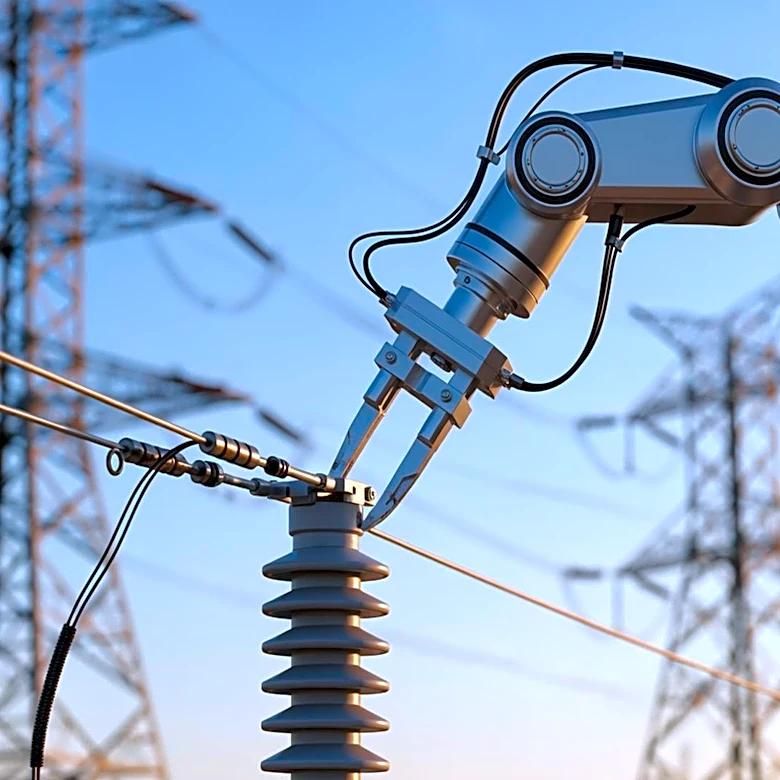
at the Army's first Best Drone Warfighter competition. The system utilizes artificial intelligence to locate downed enemy drones and employs a robotic arm to retrieve them, allowing for data extraction. The project is part of a one-year research-and-development agreement with the Army Research Laboratory. The competition highlighted the need for more compact and mobile drone systems, as well as enhanced training for soldiers in drone operations.
Why It's Important?
The development of the enemy drone recovery system signifies a strategic advancement in military technology, addressing the growing importance of drones in modern warfare. By enabling the recovery and analysis of enemy drones, the system could provide valuable intelligence, enhancing military operations and defense strategies. This innovation reflects the military's adaptation to evolving warfare tactics, where drones play a critical role. The initiative also underscores the importance of collaboration between military units and research institutions in fostering technological advancements. The focus on training and mobility in drone operations could lead to more efficient and effective use of drones in various military scenarios.
What's Next?
Future iterations of the Best Drone Warfighter competition may include expanded challenges, such as electronic warfare interference and nighttime operations, to simulate more realistic combat scenarios. The Army Research Laboratory will continue refining Project RED to enhance its autonomy and flight stability. Additionally, there is potential for the development of new training programs for soldiers, aimed at improving drone piloting skills. These advancements could lead to broader adoption of drone technology across military units, influencing future defense strategies and operational capabilities.
Beyond the Headlines
The integration of artificial intelligence in military drone systems raises ethical and legal considerations regarding the use of autonomous technology in warfare. As drones become more prevalent, there may be increased scrutiny on the implications of AI-driven military operations. Furthermore, the focus on innovation and competition within the military could drive a cultural shift towards embracing technological advancements, potentially influencing recruitment and training practices. The collaboration between military units and research institutions may also foster a more dynamic approach to problem-solving and innovation in defense technology.