
What's Happening?
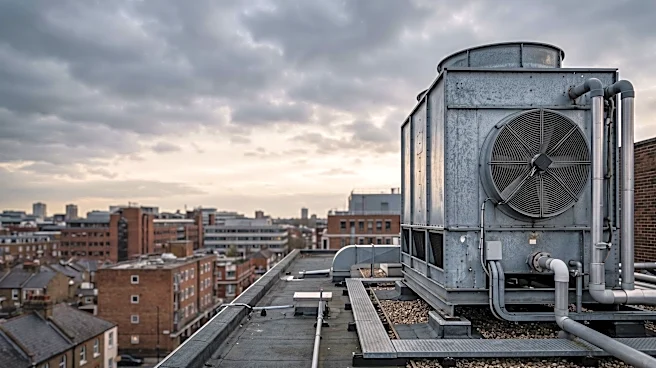
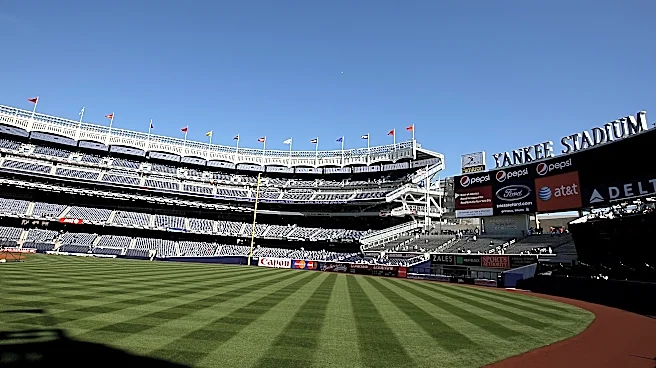
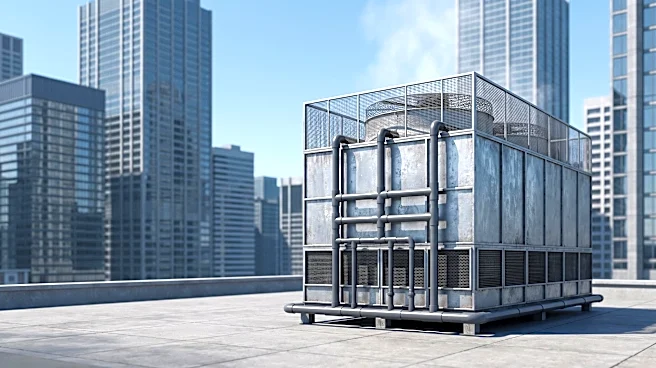
Legionella bacteria have been identified in ten cooling towers across New York City, with Yankee Stadium being among the affected locations. This discovery has prompted a critical deadline for the buildings
that tested positive for the bacteria, which is known to cause Legionnaires' disease. The presence of Legionella in cooling towers is a public health concern, as the bacteria can become airborne through water vapor and lead to respiratory illness if inhaled. The specific details regarding the required actions or the deadline for remediation were not provided, but the report emphasizes the urgency of the situation for the affected Bronx buildings. This issue highlights the ongoing need for vigilance in maintaining urban infrastructure to prevent the spread of waterborne pathogens.
Why It's Important?
The detection of Legionella bacteria in multiple cooling towers, including a high-profile venue like Yankee Stadium, carries significant public health implications for New York City residents and visitors. Legionnaires' disease, a severe form of pneumonia, can be particularly dangerous for older adults, individuals with weakened immune systems, and those with chronic lung conditions. The presence of the bacteria in cooling towers means there is a potential risk of airborne transmission, which could lead to outbreaks. For businesses and institutions, a positive test for Legionella necessitates immediate and costly remediation efforts, potential operational disruptions, and reputational damage. This situation underscores the importance of stringent public health regulations and regular maintenance protocols for cooling systems in densely populated urban environments to safeguard community well-being and prevent disease transmission.
What's Next?
Buildings that have tested positive for Legionella bacteria, including Yankee Stadium, are now facing a critical deadline to address the contamination. While the specific actions required were not detailed, it is expected that these facilities will need to implement rigorous cleaning and disinfection protocols for their cooling towers. Public health authorities will likely monitor these efforts closely to ensure compliance and prevent further spread of the bacteria. There may also be increased public awareness campaigns regarding Legionnaires' disease symptoms and prevention. Depending on the severity and extent of the contamination, further investigations into the source and potential exposure pathways could be initiated. The outcome will depend on the effectiveness of the remediation efforts and ongoing surveillance by health officials.
Beyond the Headlines
The recurring issue of Legionella contamination in urban cooling towers points to a broader challenge in managing public health risks within complex urban infrastructures. Beyond immediate remediation, this situation highlights the need for proactive and preventative measures, including advanced monitoring systems and regular, comprehensive maintenance schedules for all cooling systems. The presence of Legionella in a major public venue like Yankee Stadium also raises questions about the efficacy of existing regulatory frameworks and enforcement mechanisms for building maintenance. This event could spur discussions on stricter building codes, increased inspections, and greater transparency regarding public health risks associated with building systems. It also underscores the interconnectedness of urban systems and the potential for localized issues to have widespread public health consequences, necessitating a holistic approach to urban health management.