






What's Happening?
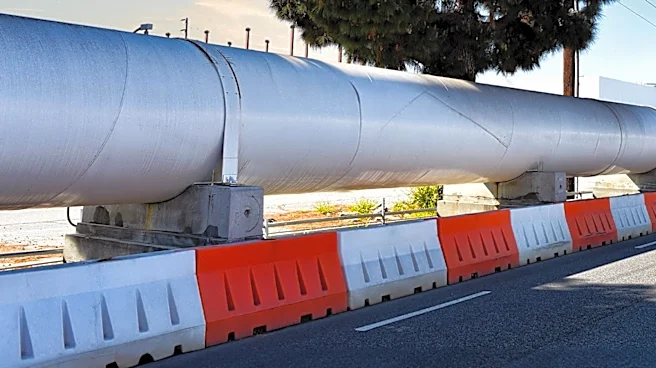
Congressman Ken Calvert has introduced the National Security Interstate Pipeline Act, a bill aimed at expediting the approval process for interstate oil and natural gas pipelines deemed critical to U.S. national security. The bill, H.R. 9838, allows the President
to designate certain pipeline projects as essential for military installations, the defense industrial base, or critical infrastructure resilience. These projects would fall under the exclusive authority of the Federal Energy Regulatory Commission (FERC), which would be required to make decisions within 180 days of an application. The bill seeks to bypass state and local permitting requirements that could delay these projects.
Why It's Important?
The introduction of this bill highlights the ongoing debate over energy infrastructure and national security. By streamlining the approval process for critical pipelines, the bill aims to enhance energy security and reduce dependence on foreign oil, particularly in states like California, which has seen a significant decline in domestic oil production. This legislation could have substantial implications for the energy sector, potentially accelerating the development of infrastructure that supports national security objectives. However, it may also face opposition from environmental groups and states concerned about federal overreach and environmental impacts.
What's Next?
If passed, the bill would likely lead to a faster approval process for designated pipeline projects, potentially increasing domestic energy production and security. The legislation will need to navigate the legislative process, where it may encounter debate and amendments. Stakeholders, including energy companies, environmental groups, and state governments, will likely engage in discussions about the bill's implications. The outcome could influence future energy policy and infrastructure development in the U.S.