






What's Happening?
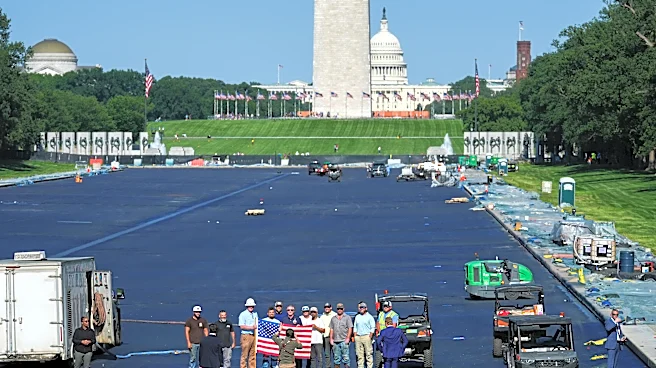
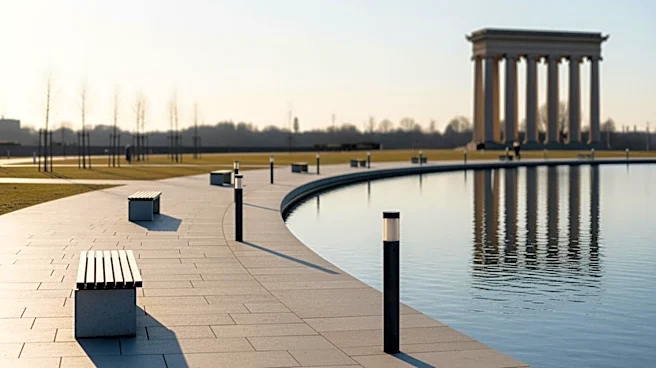
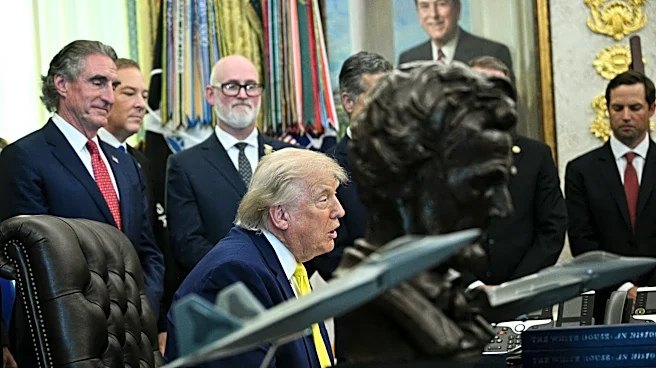
President Donald Trump announced plans to construct a promenade behind the Lincoln Memorial, which he referred to as the 'Trump Promenade,' during a White House event. The proposed promenade aims to connect the Lincoln Memorial to the Potomac River, enhancing
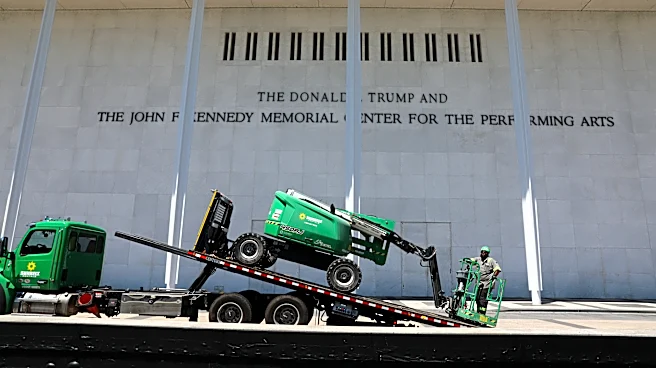
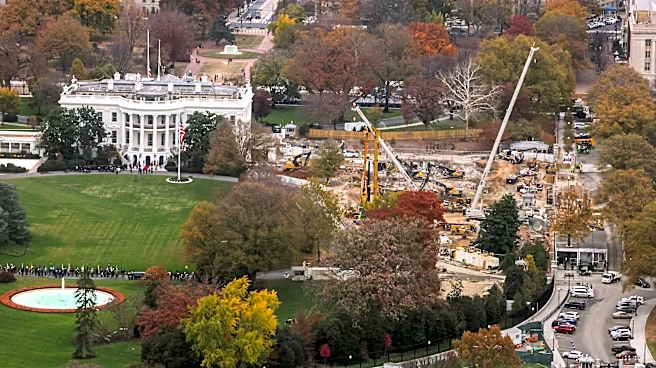
pedestrian access. This project is part of the McMillian Plan, a historical blueprint for the National Mall. Secretary of the Interior Doug Burgum highlighted the lack of current pedestrian access to the river, which the promenade seeks to address. The announcement is part of a series of construction projects initiated by President Trump, including a controversial 250-foot arch on the Memorial Avenue Corridor. These projects have faced public outcry and legal challenges, particularly due to the lack of congressional authorization for construction on federal land managed by the National Park Service. Additionally, President Trump has begun constructing a 90,000-square-foot ballroom complex at the White House without congressional approval, a decision currently contested in court.
Why It's Important?
The proposed 'Trump Promenade' and other construction projects initiated by President Trump have significant implications for federal land use and historical preservation in Washington, D.C. The lack of congressional approval for these projects raises legal questions about executive authority and the processes required for altering national landmarks. Public Citizen, a nonprofit advocacy group, argues that congressional authorization is a statutory requirement for such developments. The projects also reflect broader themes of President Trump's approach to reshaping national symbols and infrastructure, potentially impacting public perception and historical integrity. The legal and public responses to these initiatives could set precedents for future presidential projects and the balance of power between the executive branch and Congress.
What's Next?
The future of the 'Trump Promenade' and related projects depends on legal outcomes and potential congressional actions. Lawsuits challenging the lack of authorization could delay or halt construction. Public and political reactions may influence congressional leaders to take a stance on the issue, potentially leading to legislative measures to regulate presidential construction projects on federal land. The ongoing court cases regarding the White House ballroom complex may also impact the feasibility of the promenade and other initiatives. Stakeholders, including historical preservation groups and local communities, are likely to continue voicing their concerns, shaping the discourse around these developments.