

What's Happening?
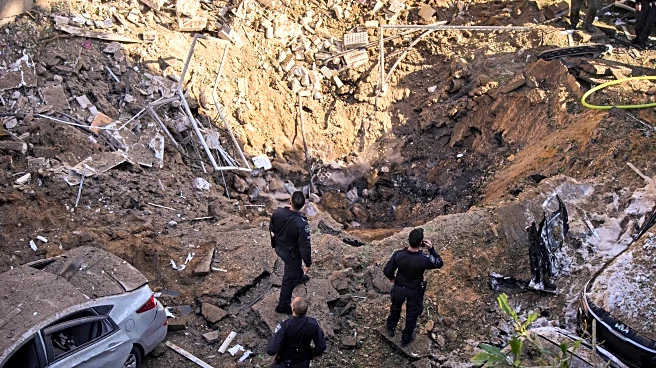
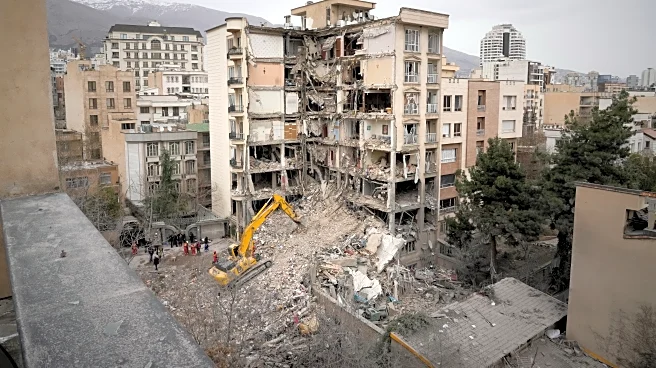
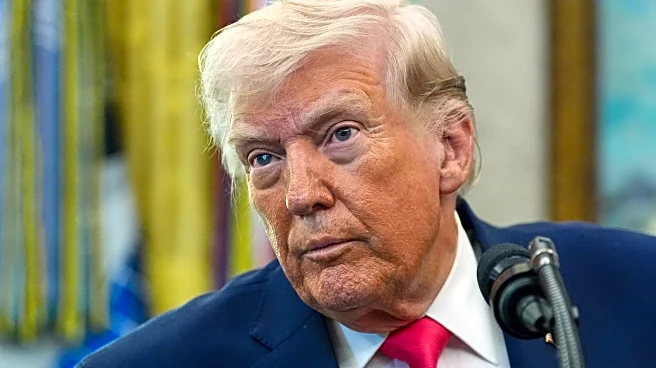
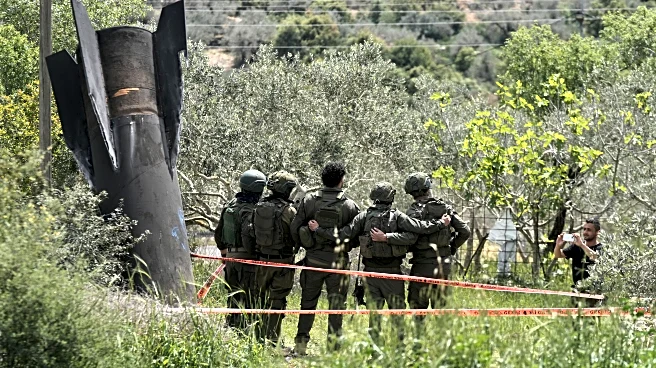
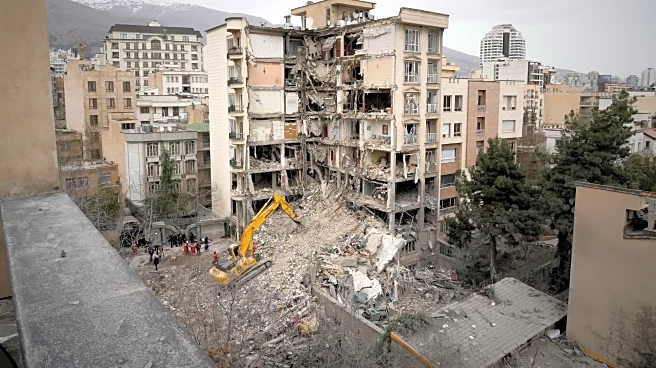
President Trump has instructed his aides to expedite the resolution of the ongoing conflict with Iran, as tensions continue to escalate. The conflict has seen significant military engagements, including Israeli airstrikes on Iranian targets and Hezbollah
missile attacks on Israel. The situation is further complicated by reports of Russia potentially supplying drones to Iran, which could alter the balance of power in the region. The U.S. proposal to end the war has been rejected by Iran, which has vowed to continue its military actions until its demands are met.
Why It's Important?
The resolution of the Iran conflict is critical for regional stability and has significant implications for U.S. foreign policy. The ongoing hostilities pose a threat to global oil markets, as evidenced by the drop in Iraq's oil production. Additionally, the conflict impacts U.S. relations with key allies in the Middle East, including Israel and Saudi Arabia. A swift resolution could prevent further escalation and reduce the risk of a broader regional war, which would have severe economic and humanitarian consequences.
What's Next?
Efforts to resolve the conflict are likely to involve diplomatic negotiations, potentially involving other international actors such as Russia and European countries. The U.S. may also increase its military presence in the region to deter further aggression by Iran and its allies. Meanwhile, Israel is expected to continue its military operations against Iranian targets to prevent the strengthening of Iran's military capabilities. The situation remains fluid, with potential for both escalation and resolution in the coming weeks.