






What's Happening?
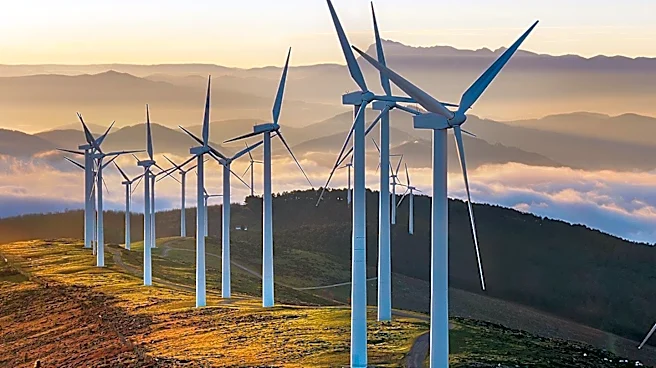
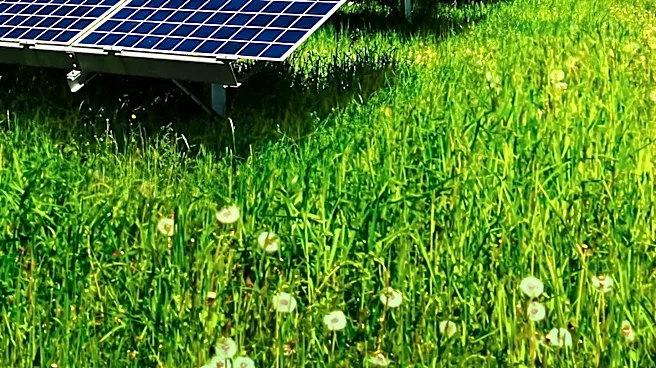
The European Union (EU) is on track to significantly reduce its natural gas demand by 2030 if it meets its renewable energy targets, according to the Institute for Energy Economics and Financial Analysis (IEEFA). The EU aims to install at least 4 million
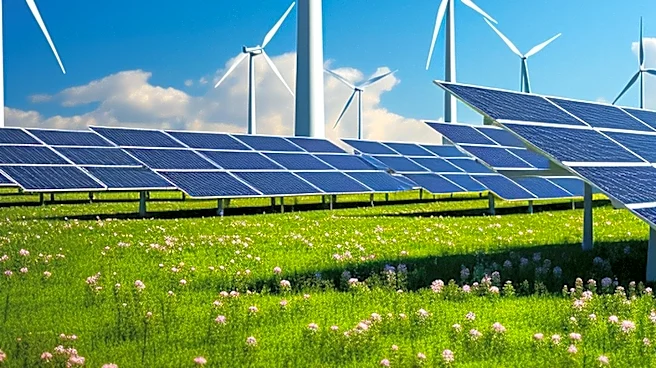
heat pumps, 75 gigawatts of solar, and 22 gigawatts of wind capacity annually over the next five years. Achieving these targets could cut gas demand by a quarter, equivalent to twice the volume of LNG imports from Qatar. Despite progress, the EU is still behind its 2030 renewable energy target of 42.5%, requiring a substantial increase in renewable energy adoption.
Why It's Important?
Reducing gas demand by achieving renewable energy targets is crucial for the EU's energy security and sustainability goals. It would decrease reliance on LNG imports, particularly from regions like Qatar, and mitigate the impact of external energy crises. This shift towards renewables aligns with global efforts to combat climate change and reduce carbon emissions. The transition could also influence global energy markets, as reduced EU gas demand may affect LNG prices and supply dynamics. The EU's progress in renewable energy adoption serves as a model for other regions aiming to enhance energy independence and sustainability.
What's Next?
The EU must accelerate its renewable energy adoption to meet its 2030 targets. This involves increasing the annual growth rate of renewable energy sources and addressing challenges such as infrastructure development and regulatory support. The EU's progress will be closely monitored by global energy stakeholders, as it could influence energy policies and market trends. Continued investment in renewable technologies and supportive policies will be essential to achieving the EU's energy transition goals.