



What's Happening?
AAA projects that 81.5 million Americans will travel at least 50 miles from home for Thanksgiving between November 24 and November 30, 2026. This forecast represents a slight decrease of 0.1% compared to the 81.6 million travelers in 2025, marking the end
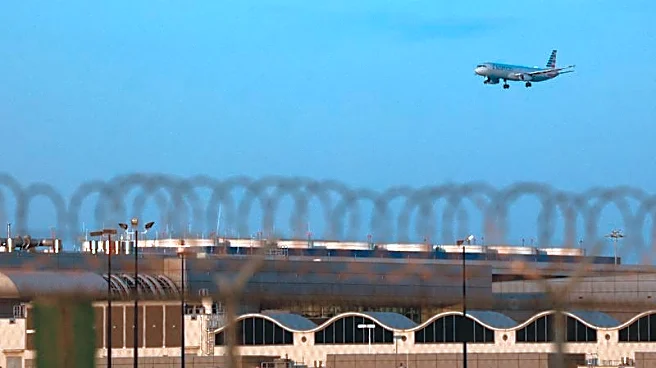
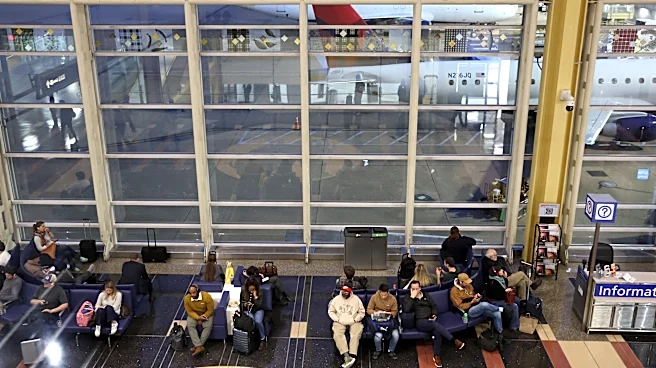
of a three-year streak of record Thanksgiving travel. The decline is primarily attributed to higher travel costs, particularly record-high gas prices, which have seen monthly records set in August, September, and October. While road trips and flights are expected to see minor reductions, travel by cruises, buses, and trains is on the rise. Approximately 72.9 million people are anticipated to travel by car, a slight drop from 73.1 million last year, and 5.96 million will travel by air, a 0.2% decrease. Conversely, 2.6 million Americans are expected to use other modes of transportation, a 4.1% increase.
Why It's Important?
This slight downturn in Thanksgiving travel, primarily driven by increased costs, highlights the sensitivity of American consumers to economic factors like gas prices and airfare. The shift towards alternative transportation methods such as cruises, buses, and trains indicates a potential change in travel preferences or a strategic move by consumers to find more economical options. For the travel industry, this forecast suggests a need to adapt to evolving consumer behaviors and potentially offer more competitive pricing or value-added services to maintain travel volumes. The continued high volume of travelers, despite the slight dip, still poses significant logistical challenges for infrastructure, particularly in major metropolitan areas where traffic congestion is expected to more than double. This impacts not only individual travelers but also businesses reliant on timely deliveries and services during the holiday period.
What's Next?
Travelers planning to hit the road during the Thanksgiving holiday period should anticipate significant traffic congestion, especially on Tuesday, November 24, and Wednesday, November 25, as well as on Sunday, November 29, and Monday, November 30, for return trips. INRIX, a transportation data provider, predicts that major metro areas like New York, Washington, DC, Los Angeles, and Boston could experience more than double their normal traffic. The worst times for driving are expected to be in the afternoon and early evening, with morning travel recommended to avoid peak congestion. AAA advises travelers to check their vehicles before departure, as they responded to over half a million emergency roadside calls last Thanksgiving. For those flying, roundtrip domestic flights are 17% more expensive, averaging $800 per ticket, according to AAA data.
Beyond the Headlines
The forecast underscores a broader trend where economic pressures are influencing discretionary spending, including holiday travel. While the overall dip is minor, it could signal a growing cautiousness among consumers. The increasing popularity of cruises and other modes of transportation might also reflect a desire for more structured or all-inclusive travel experiences that offer perceived better value amidst rising costs. This could lead to long-term shifts in how Americans plan and execute their holiday travel, potentially favoring options that mitigate unpredictable expenses like fluctuating gas prices. The persistent issue of traffic congestion, even with a slight reduction in car travel, highlights the ongoing need for infrastructure improvements and effective traffic management strategies in major U.S. cities.