


What's Happening?
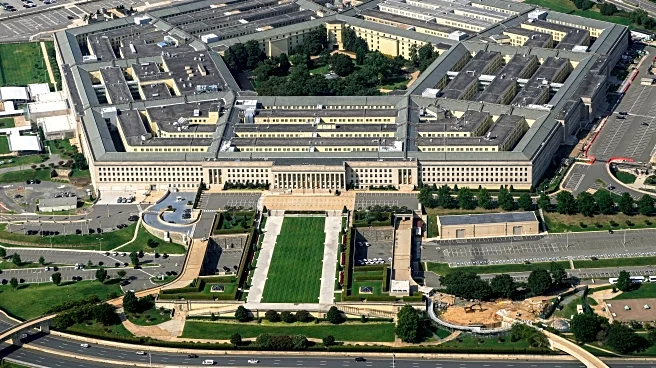
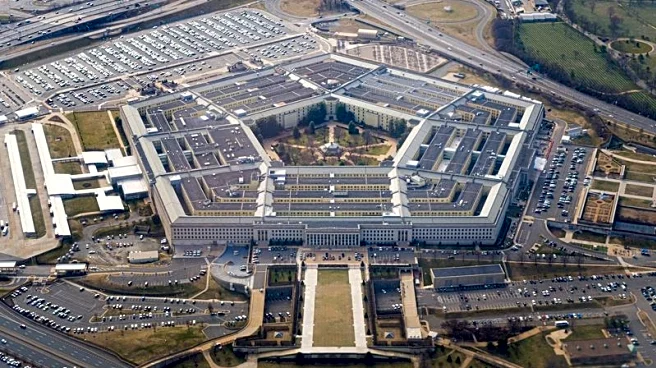
The New York Times has filed a lawsuit against the Department of Defense, challenging a new press policy that has led to most Pentagon reporters surrendering their credentials. The policy, implemented by Defense Secretary Pete Hegseth, aims to prevent
leaks that could compromise operational and national security. It restricts journalists from reporting information without departmental approval and allows Pentagon officials to suspend or revoke press credentials for violations. The Pentagon Press Association argues that the policy infringes on First Amendment rights, limiting journalists' ability to gather news and engage in informal interactions with Pentagon personnel. A federal judge is set to hear arguments regarding the policy's legality.
Why It's Important?
This lawsuit highlights the tension between national security concerns and press freedom. The restrictive policy could significantly impact the ability of journalists to report on military operations and hold the Department of Defense accountable. The outcome of this legal challenge may set a precedent for how government agencies can regulate press access and could influence future policies regarding media coverage of sensitive areas. The case underscores the importance of maintaining a balance between security measures and the public's right to information.
What's Next?
The federal court's decision on the lawsuit will be crucial in determining the future of press access at the Pentagon. If the court rules in favor of The New York Times, it could lead to a rollback of the restrictive policy and restore journalists' access to Pentagon officials and facilities. Conversely, a ruling in favor of the Department of Defense may embolden other government agencies to implement similar policies, potentially leading to broader restrictions on press freedom. Stakeholders, including media organizations and civil rights groups, are likely to closely monitor the case and its implications for journalistic practices.