








What's Happening?
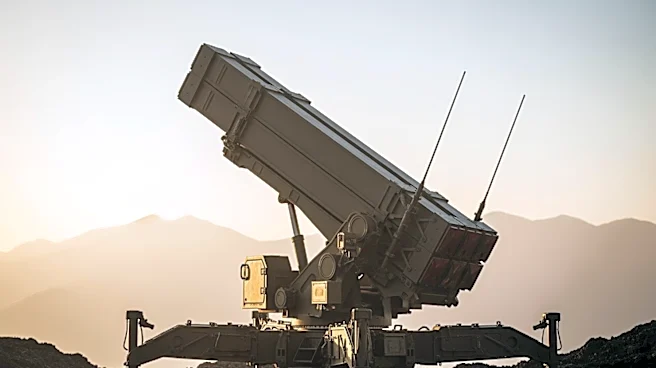
Taiwan's military conducted a live-fire exercise using U.S.-supplied HIMARS (High Mobility Artillery Rocket System) to fire rockets into the Taiwan Strait, marking the first time these rockets were launched into the waters separating Taiwan from China.
The exercise, which took place on Taiwan's west coast, was part of a demonstration of Taiwan's defense capabilities against potential Chinese aggression. The HIMARS system, known for its 'shoot-and-scoot' tactics, allows for rapid deployment and repositioning, enhancing Taiwan's asymmetric defense strategy. The U.S. remains Taiwan's primary arms supplier, despite not officially recognizing Taiwan as a sovereign nation.
Why It's Important?
The exercise underscores Taiwan's strategic shift towards an asymmetric defense posture, aimed at deterring Chinese military actions without engaging in direct confrontation. The use of HIMARS highlights Taiwan's focus on mobility and precision in its defense strategy. This development is significant as it reflects the ongoing military tensions in the region, with China frequently conducting military exercises near Taiwan. The U.S.'s role as a key arms supplier to Taiwan also emphasizes its commitment to supporting Taiwan's defense capabilities, which could influence U.S.-China relations and regional stability.
What's Next?
Taiwan is expected to continue its military drills and enhance its defense capabilities with further U.S. arms acquisitions. The U.S. has announced plans to sell additional HIMARS systems to Taiwan, although the deal's status remains uncertain following recent diplomatic engagements between the U.S. and China. The ongoing military exercises and arms deals are likely to provoke reactions from China, which views Taiwan as a breakaway province. This could lead to increased military posturing by China in the region, further escalating tensions.